
Anyone who spends time online knows that the freedom to remain anonymous can be a real blessing — and sometimes a challenge. Anonymity protects, emboldened and gives a voice to those who would otherwise remain silent. But it can also serve as a shield for hate and misinformation. How does this fit together? And why is this balancing act so important?
 © pixabay / UserBot
Anonymity as a safe space
Historically, anonymity has often driven change. Think of the Federalist Papers of 1787, published under pseudonyms – they laid the foundation for American democracy. Or whistleblowers like Chelsea Manning and Edward Snowden, who were only able to expose abuses that would otherwise have remained hidden thanks to their anonymity.
Especially in countries with authoritarian regimes, anonymity is often the only protection for people who want to speak critical truths. Without this possibility, much would remain invisible.
When invisibility becomes a weapon
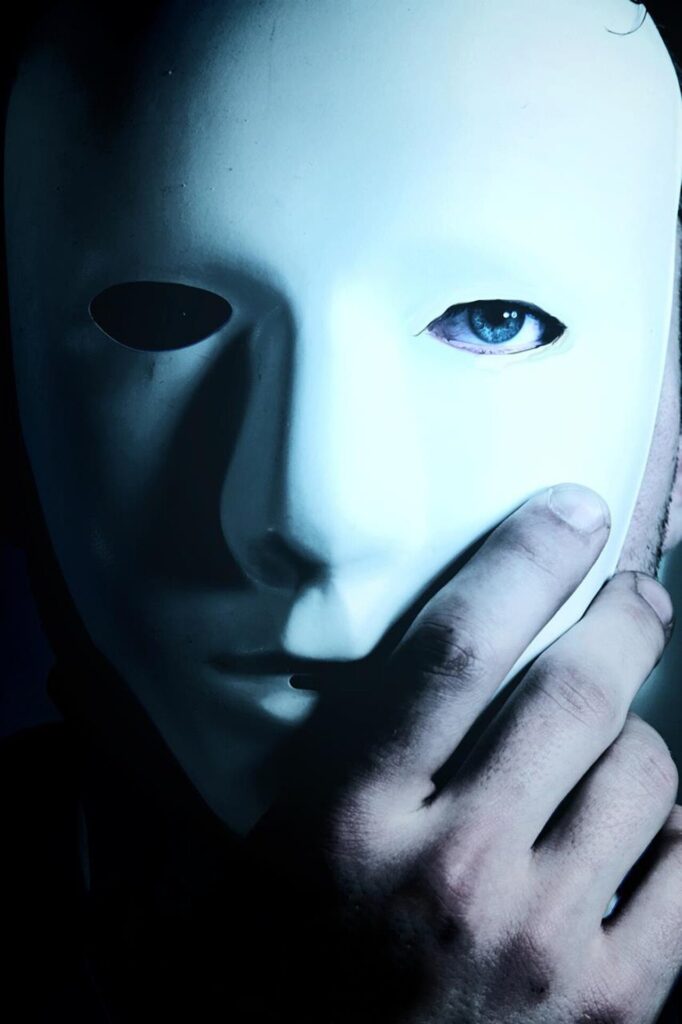
But this is precisely the flip side of the coin. Behind the mask of anonymity, some people feel untouchable – and spread hatred, incitement and conspiracy theories. Protection from consequences causes responsibility to dwindle and a place for exchange becomes a playground for abuse.
 © pixabay / LeandroDeCarvalho
 © unsplash / Vinicius Amano
Why anonymity is important
On my website, users can therefore submit posts anonymously — without providing their name, email address or other data. In this way, I create space for honest and unadulterated voices that might otherwise not dare to speak up. This is important to me because I believe that diversity of perspectives needs a safe space.
Freedom requires responsibility
But — and this is just as important to me — anonymity is not a license for disrespectful behavior. Those who spread hate or distort facts undermine the very thing that makes anonymity valuable. That’s why I carefully review all contributions before they are published.
Bottom line
Anonymity can be a light in the dark — when used responsibly.
Ressources
- Federalist Papers of 1787: Encyclopædia Britannica
- Chelsea Manning: Encyclopædia Britannica
- Edward Snowden: Encyclopædia Britannica