Everything that's going wrong on this planet
POSTS
/CATEGORY
-
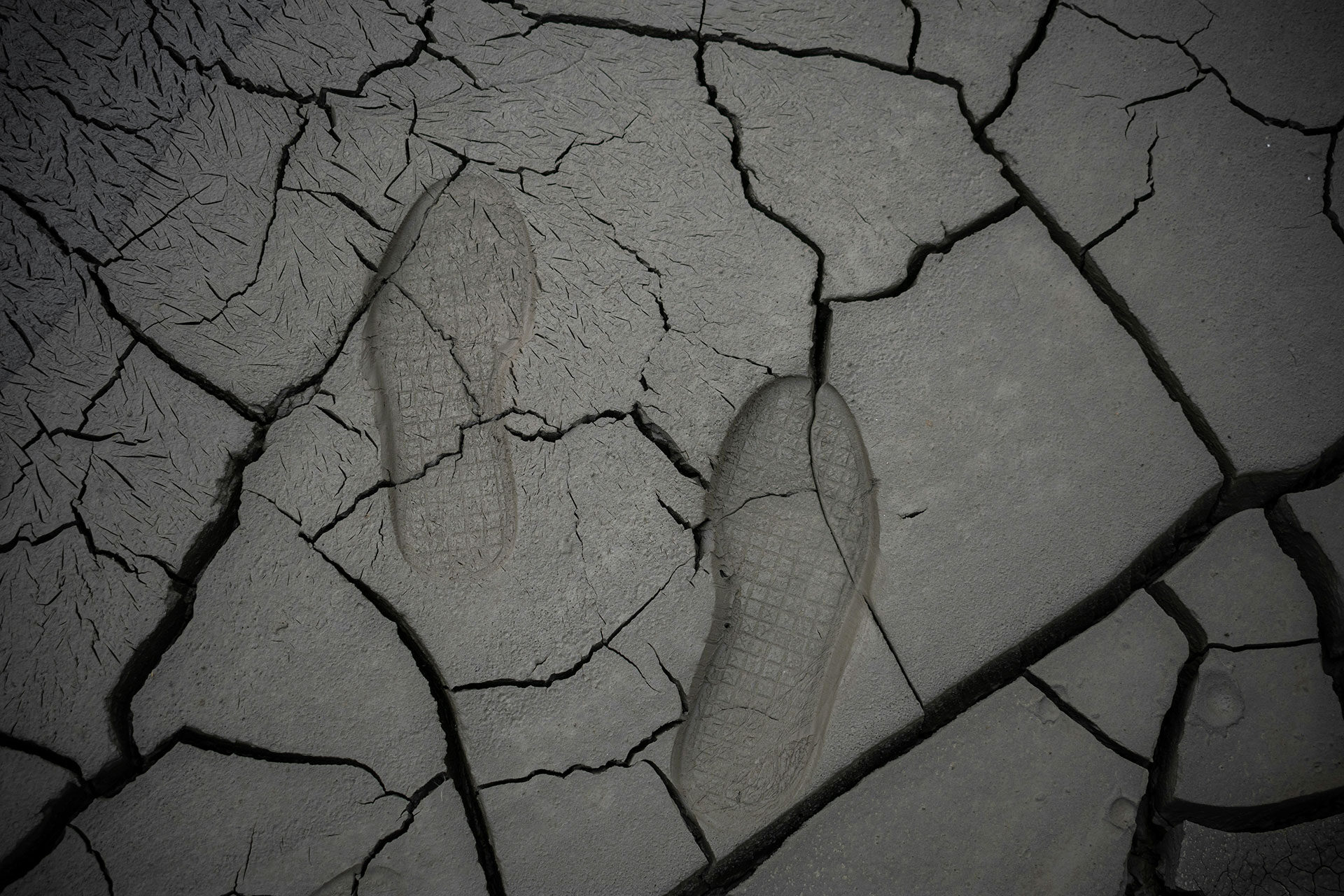
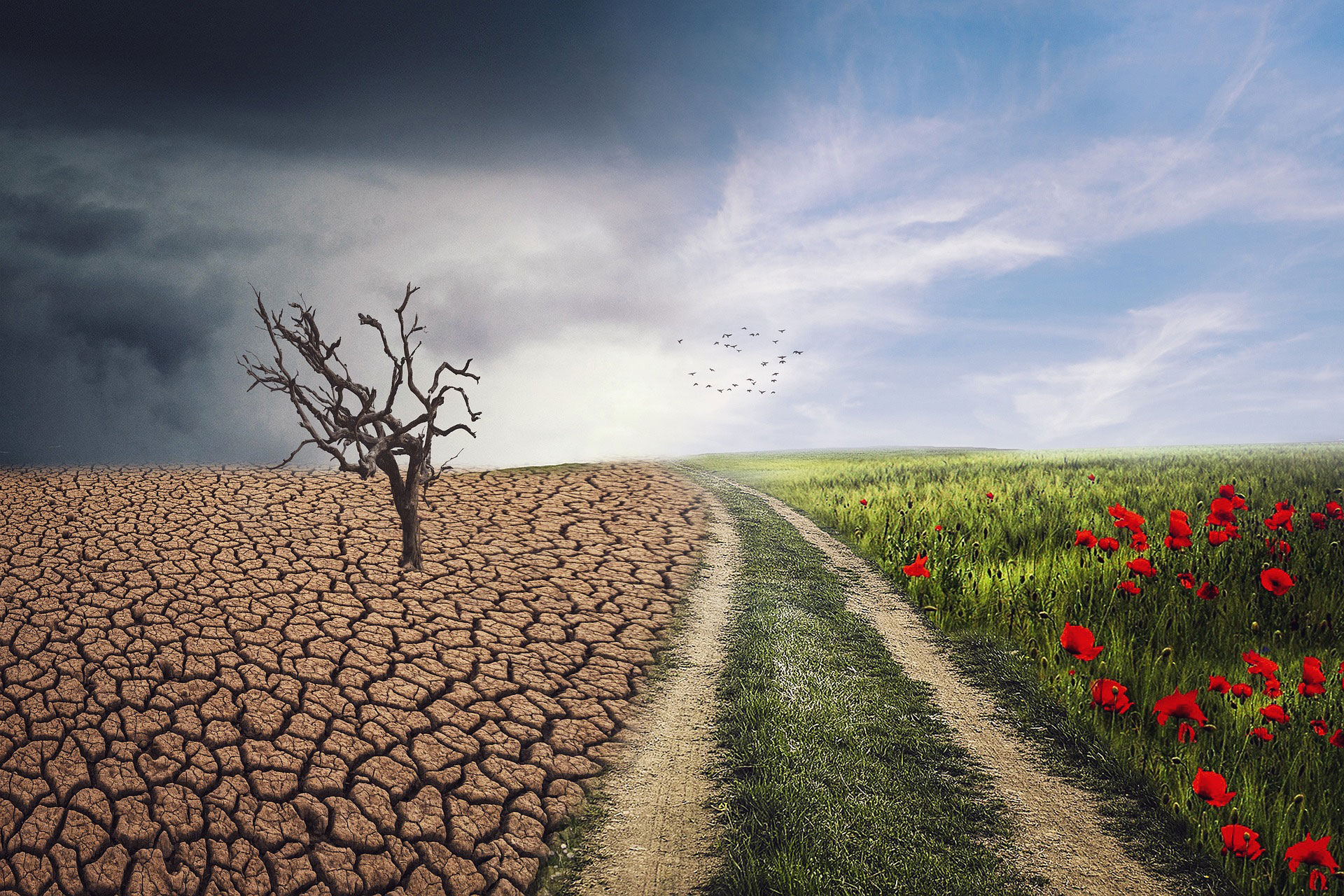
Climate change is one of those topics that immediately stirs up emotions. For some, it’s the greatest threat of our time, while others consider it exaggerated or politically exploited. That is precisely why it’s worth taking a sober, science-based look at the issue: What do we really know today? How has the climate changed historically?
-
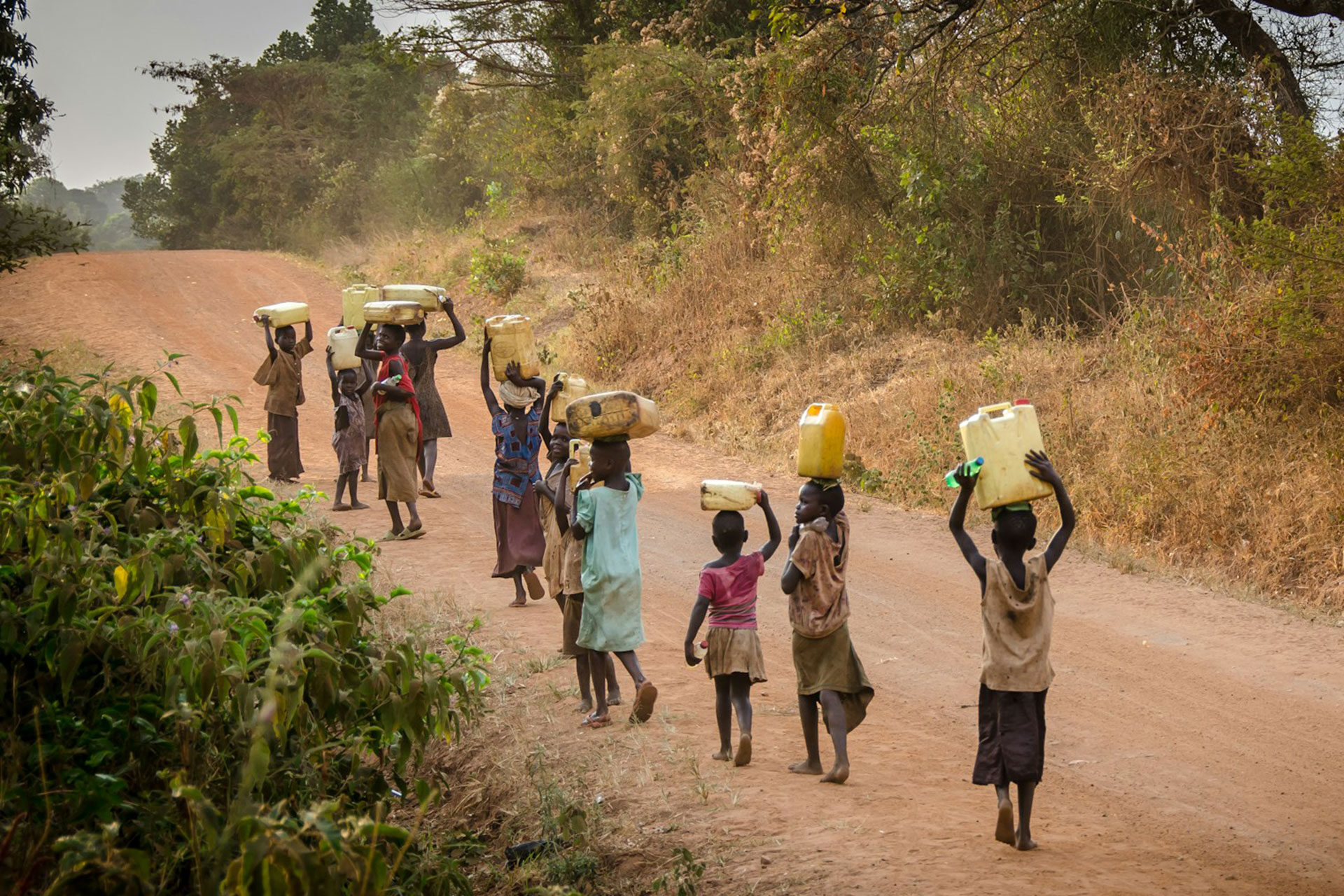
Imagine turning on the tap — and nothing comes out. While we in Europe flush liters of clean water down the toilet or water our gardens without a second thought, billions of people around the world struggle every day for every single sip. This stark inequality is not a future scenario, but a bitter reality
-
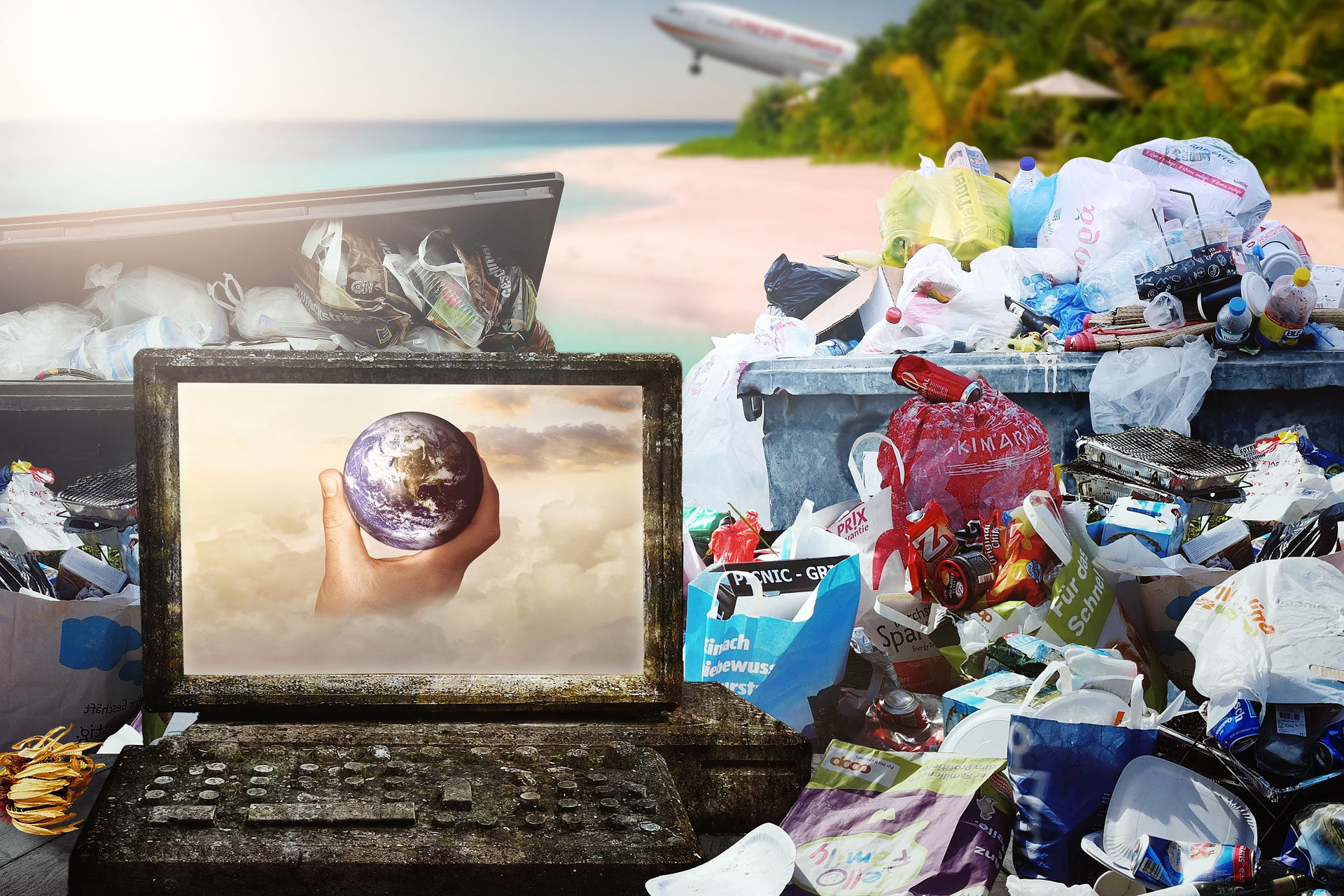
Imagine this: in a few decades, there will be more plastic than fish in the sea. Sounds exaggerated? Unfortunately not. Microplastics are now found in water, in the air — and even in the human brain. What began as a cheap revolution in the packaging industry has developed into a global environmental and health crisis.
-
While some hoard billions, millions struggle to survive. Why don’t people stop wanting more — even if it means destroying their own future? Let’s look at greed as a systemic flaw, expose global inequality, and ask: How do we get out of this situation? Why greed knows no bounds Capitalism was once the idea of
-
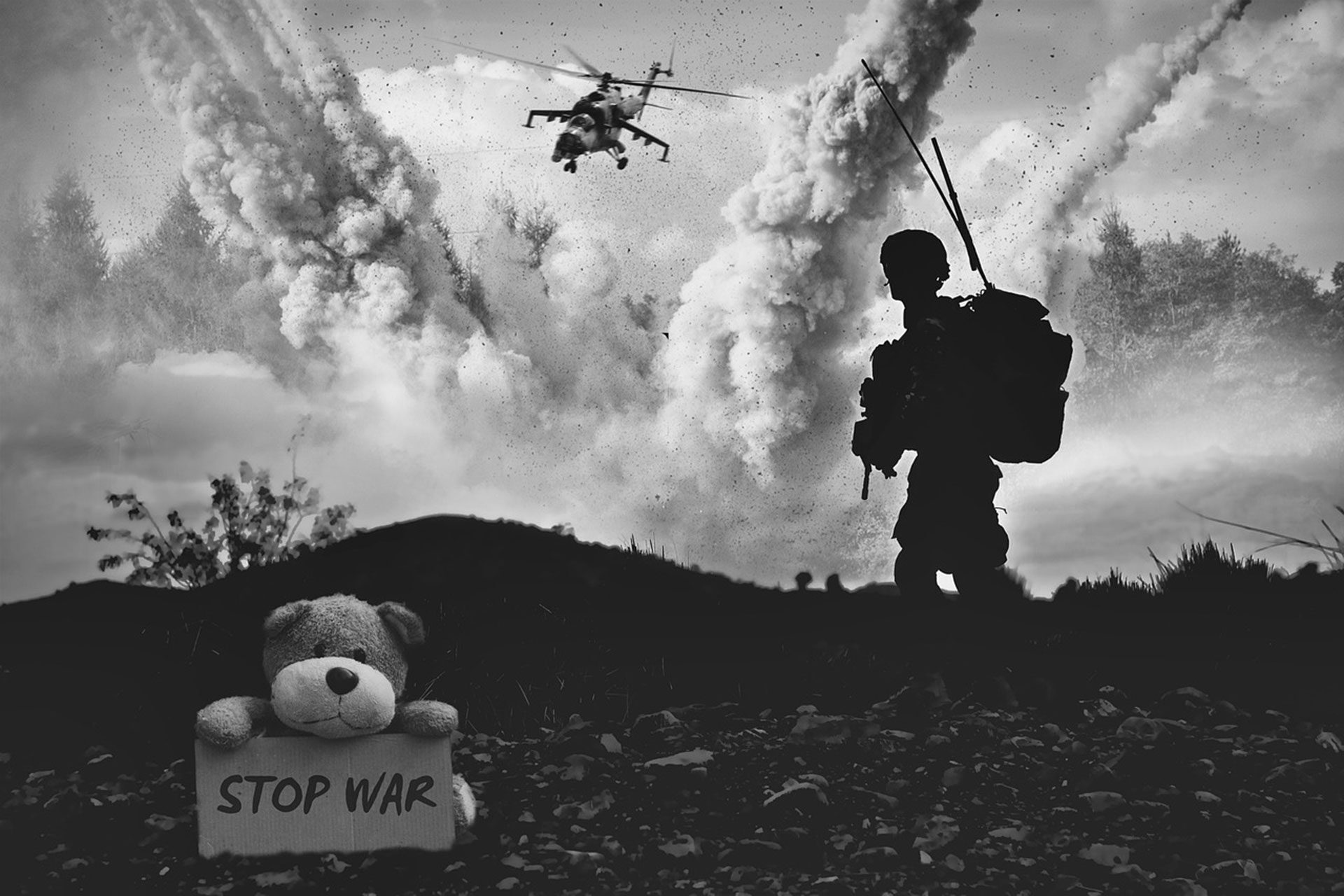
We live in the age of AI, map the human genome and reach distant planets, and yet still wage wars like we did a thousand years ago. Why do we still resolve conflicts with violence? Let’s explore the question of what prevents us from becoming more peaceful — and what we could do about it.
-
Our world is at a crossroads. Inequality, instability, and systemic breakdowns are evident everywhere – yet the media rarely focuses on the big picture. Here’s a clear look at what really matters. 1. Climate justice: The super-rich as major contributors to climate change The richest 10% of humanity are responsible for about two-thirds of global