Everything that's going wrong on this planet
POSTS
/CATEGORY
-
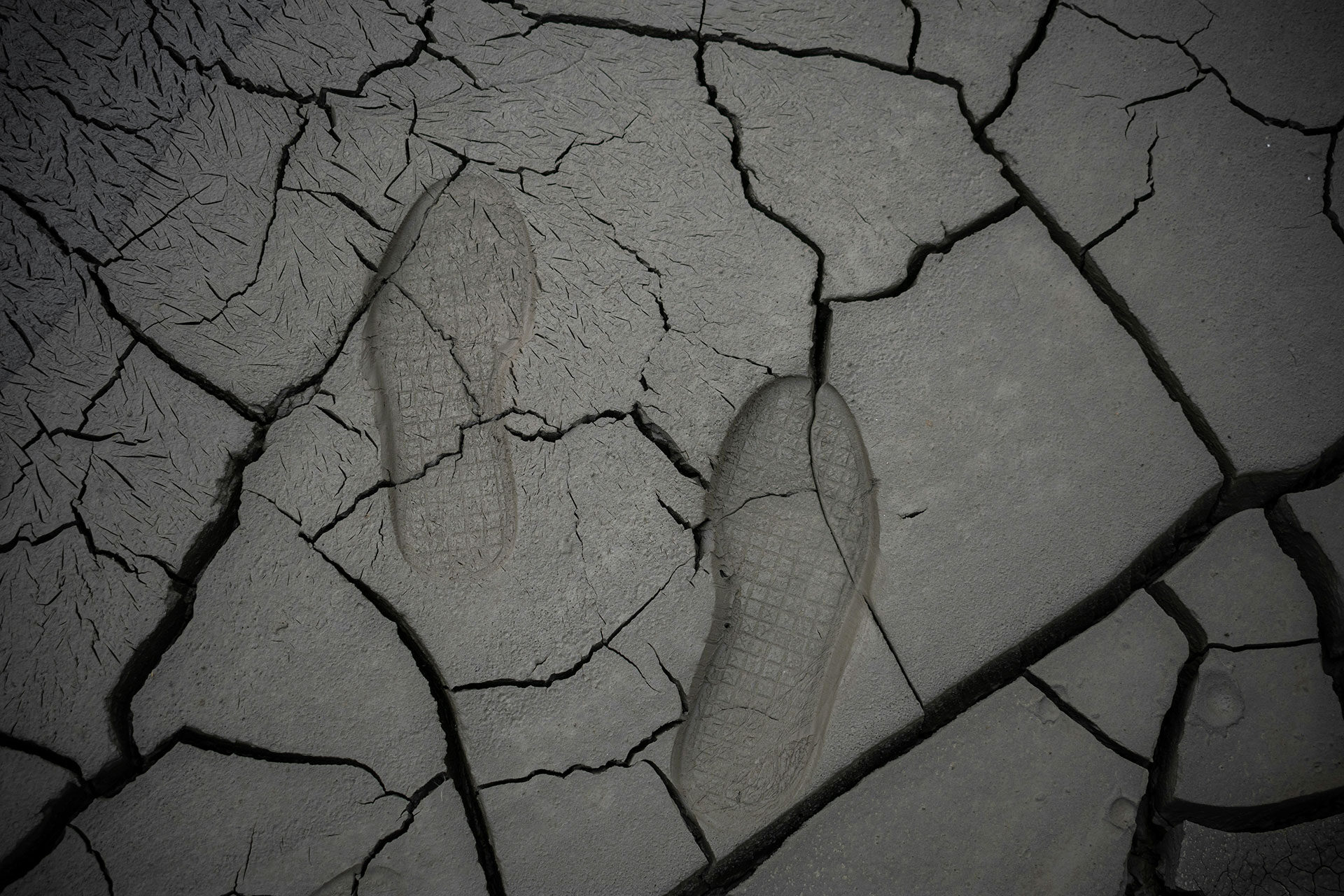
Imagine turning on the tap — and nothing comes out. While we in Europe flush liters of clean water down the toilet or water our gardens without a second thought, billions of people around the world struggle every day for every single sip. This stark inequality is not a future scenario, but a bitter reality
-
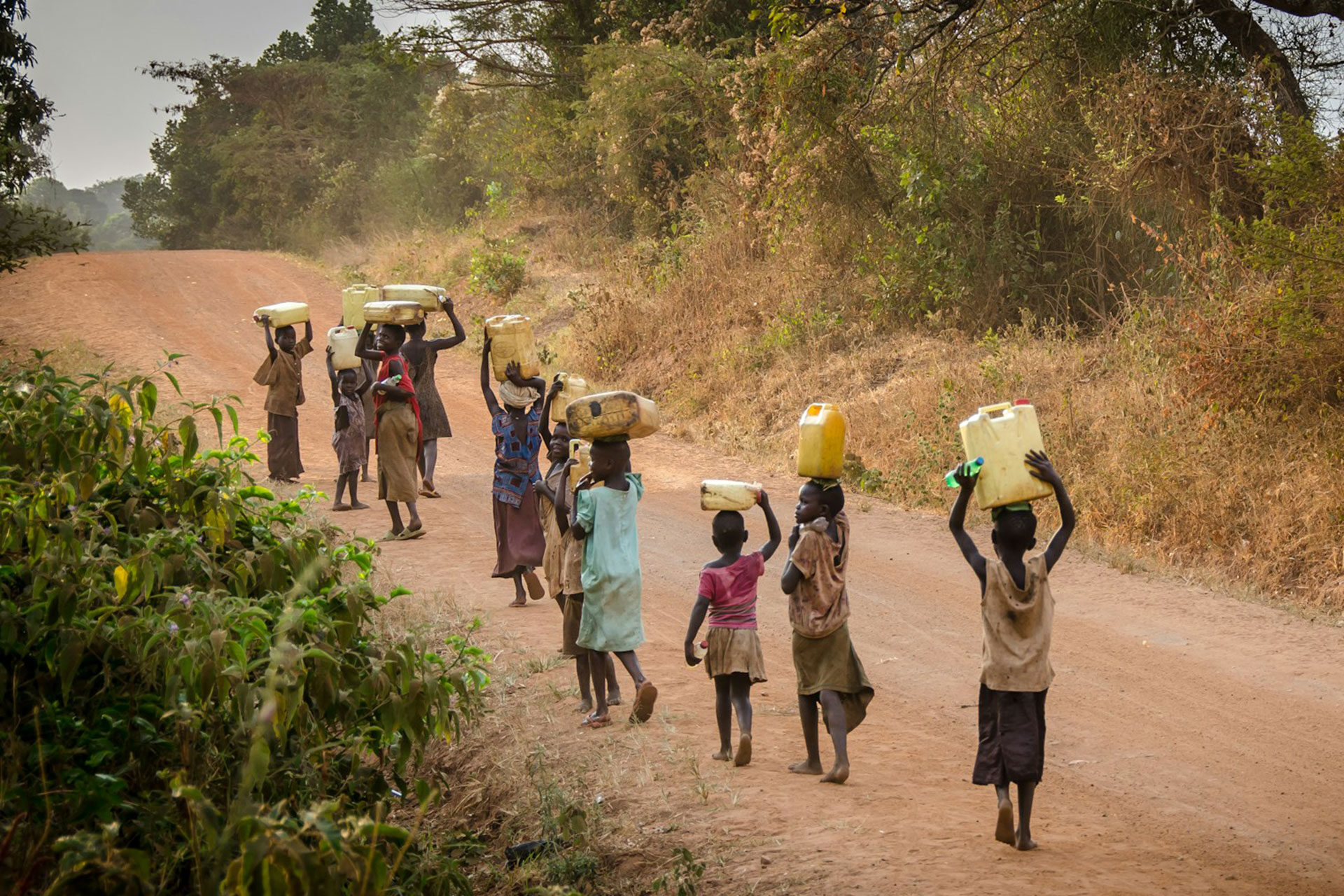
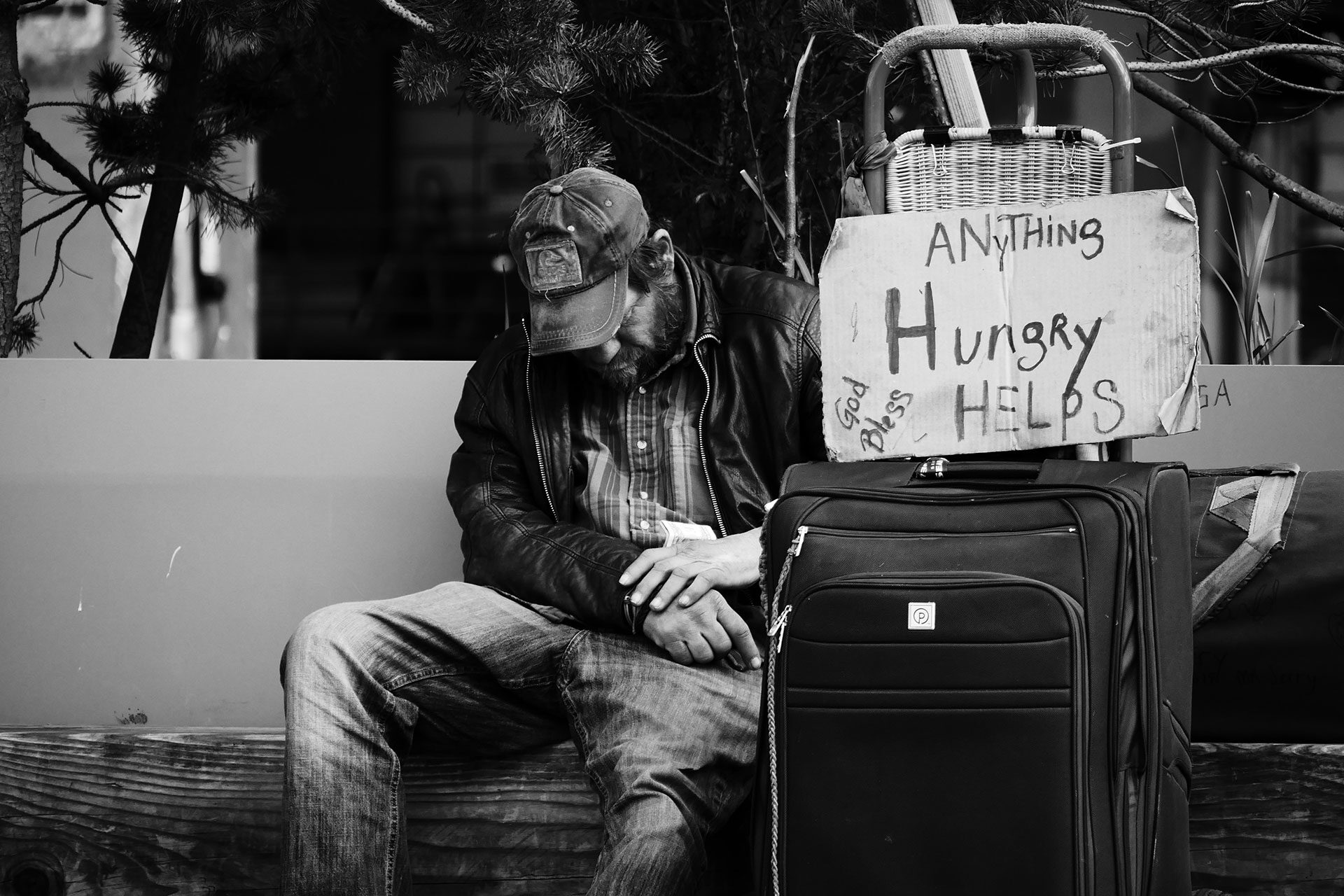
We’re living in an age of contradictions: In Manhattan poodles nibble on organic kale biscuits while children in Somalia count the hours until their next meal. Humanity grows more than enough food to feed everyone on Earth, yet hundreds of millions still go hungry. How did we build a world where the rich scrape leftovers
-
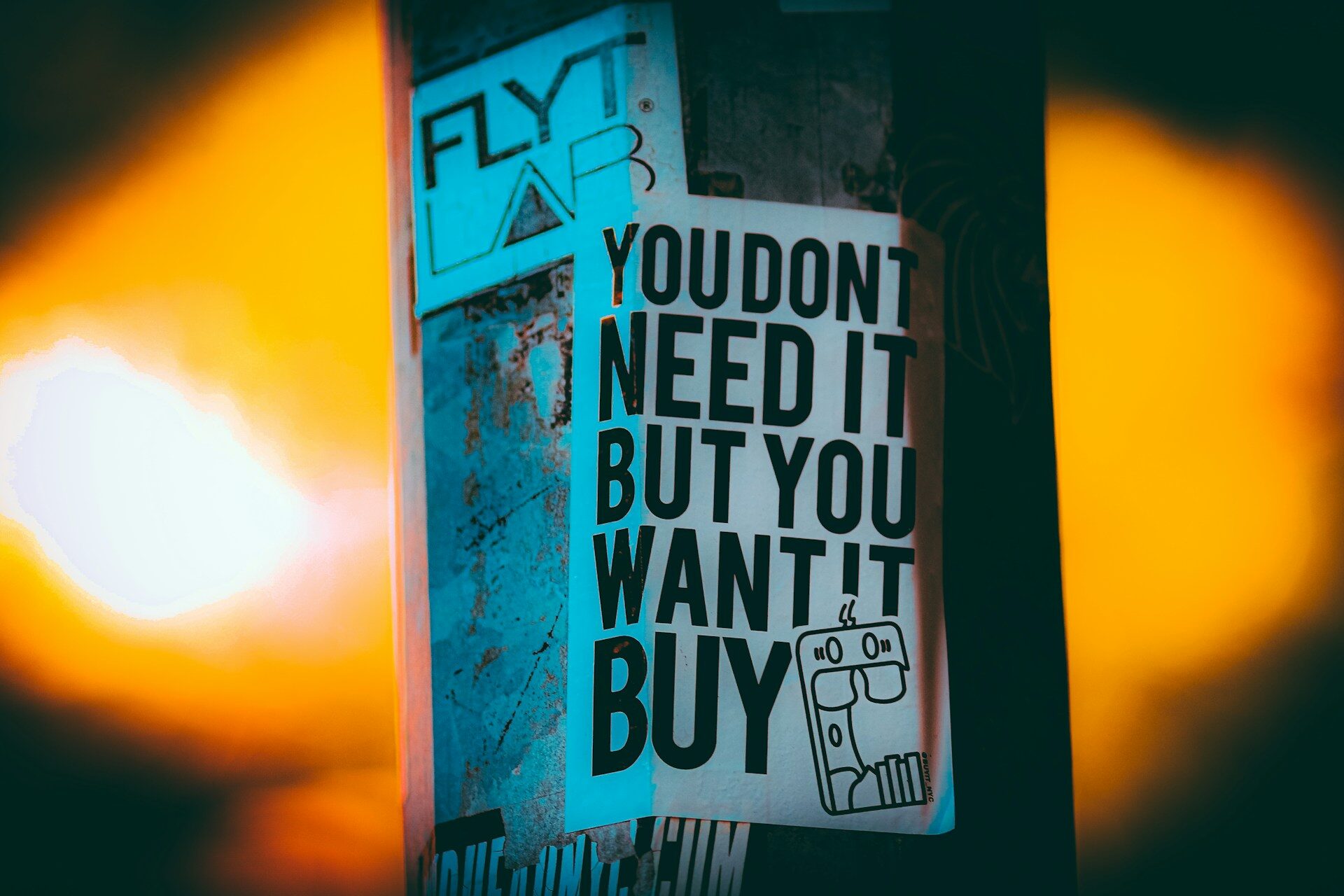
In advertising you see perfect lives — new cars, stylish apartments, designer clothes. And suddenly, you feel that tug in your stomach. “I want that too!” Seconds later, you’re scrolling through online shops as if they hold the answer to your inner emptiness. Welcome to the hamster wheel of modern consumption. I shop, therefore I
-
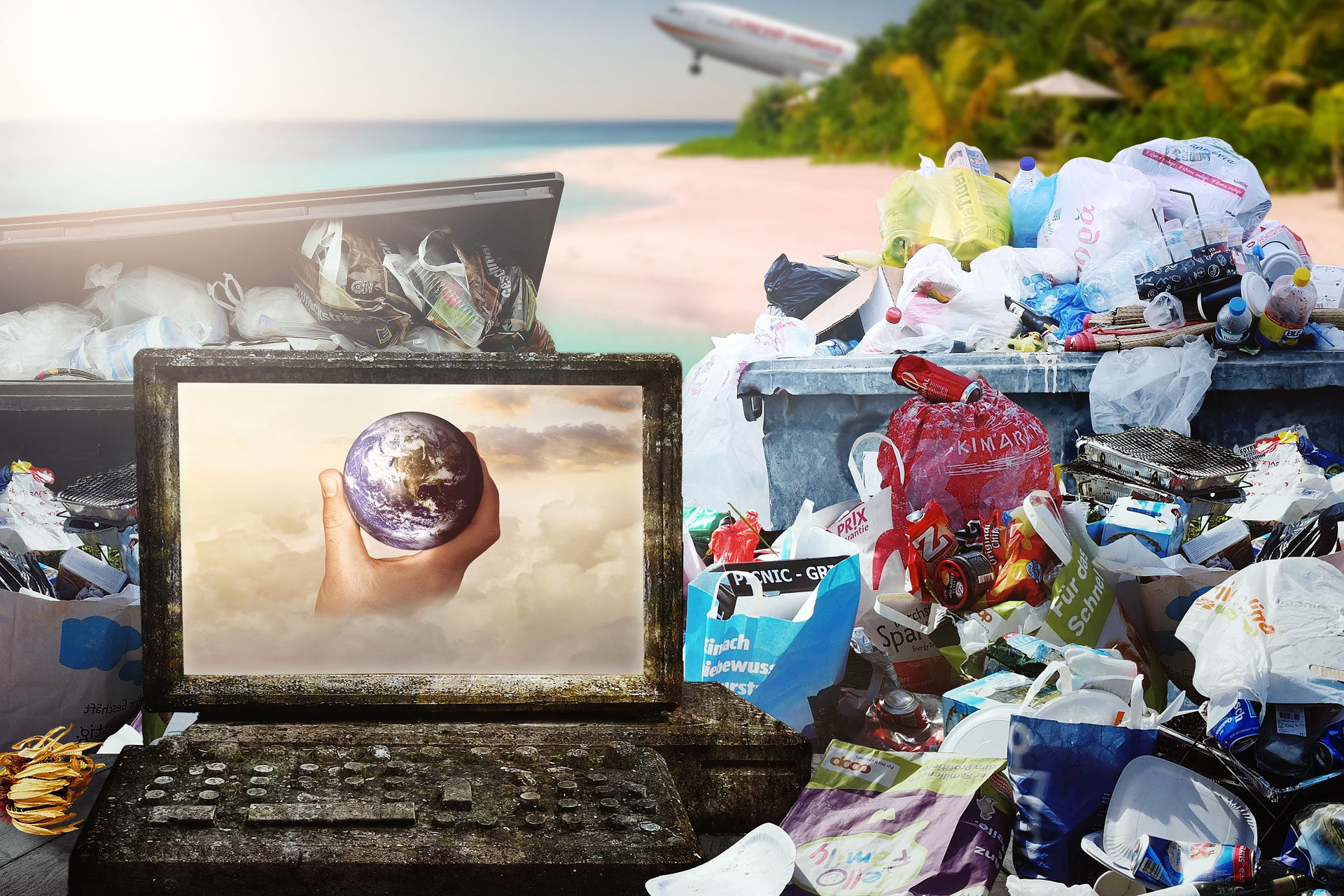
Imagine this: in a few decades, there will be more plastic than fish in the sea. Sounds exaggerated? Unfortunately not. Microplastics are now found in water, in the air — and even in the human brain. What began as a cheap revolution in the packaging industry has developed into a global environmental and health crisis.
-
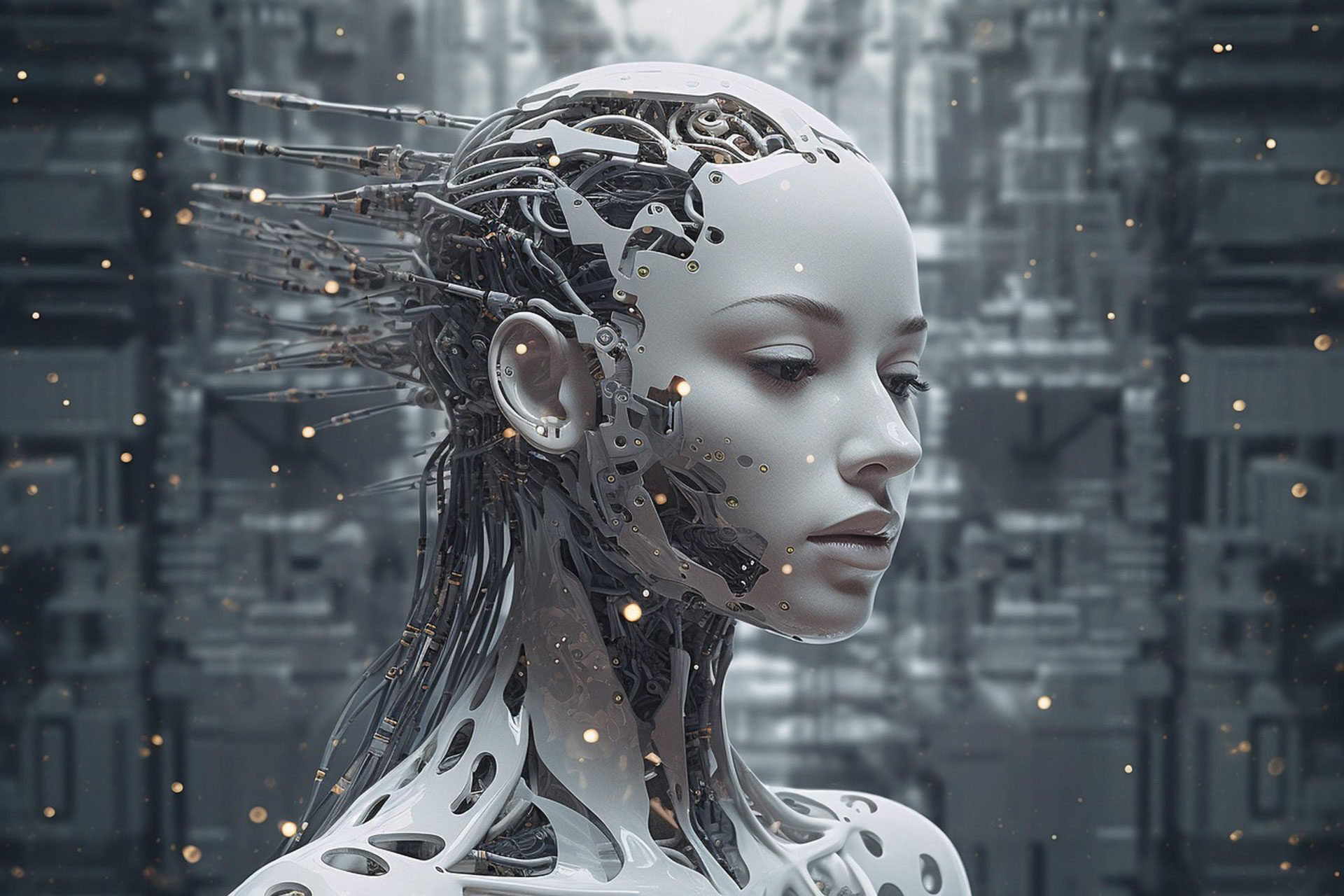
Artificial intelligence is changing our everyday lives faster than we can say “algorithm” – and that is both a blessing and a curse. Let’s take a look at the opportunities, risks and pitfalls of digital thinking machines – and ask: Who is actually controlling whom here? Everyday magic – What AI gets right Imagine this:
-
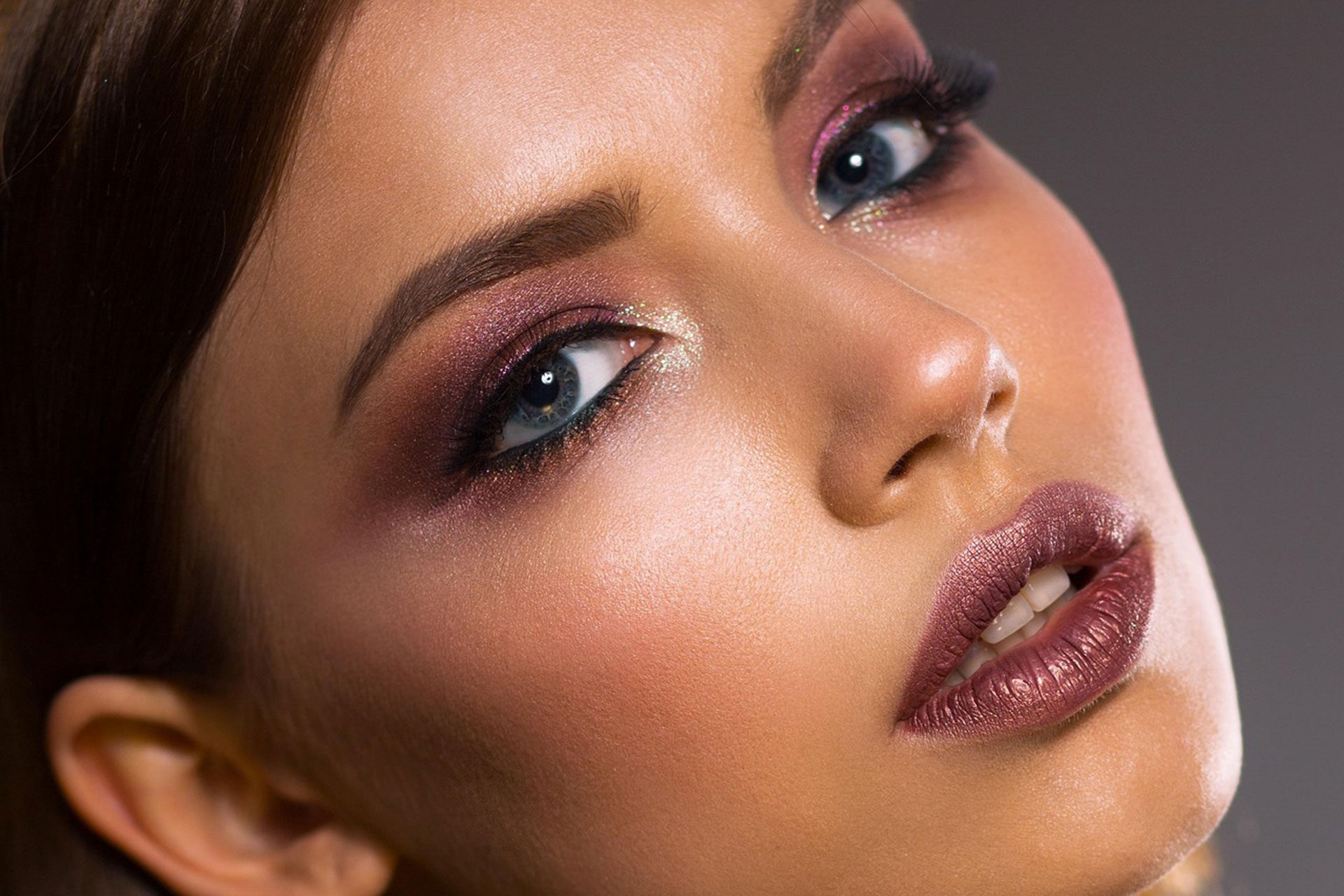
Beauty used to be relative, but today it’s often a product, carefully designed by brands, media and influencers. Cosmetics companies, fashion conglomerates and beauty startups invest billions to sell an ideal — an ideal that’s thin, tanned, flawless and retouched. Filters, Photoshop, targeted advertising: all of this constructs a reality that hardly anyone can achieve.
-
Our world is at a crossroads. Inequality, instability, and systemic breakdowns are evident everywhere – yet the media rarely focuses on the big picture. Here’s a clear look at what really matters. 1. Climate justice: The super-rich as major contributors to climate change The richest 10% of humanity are responsible for about two-thirds of global