
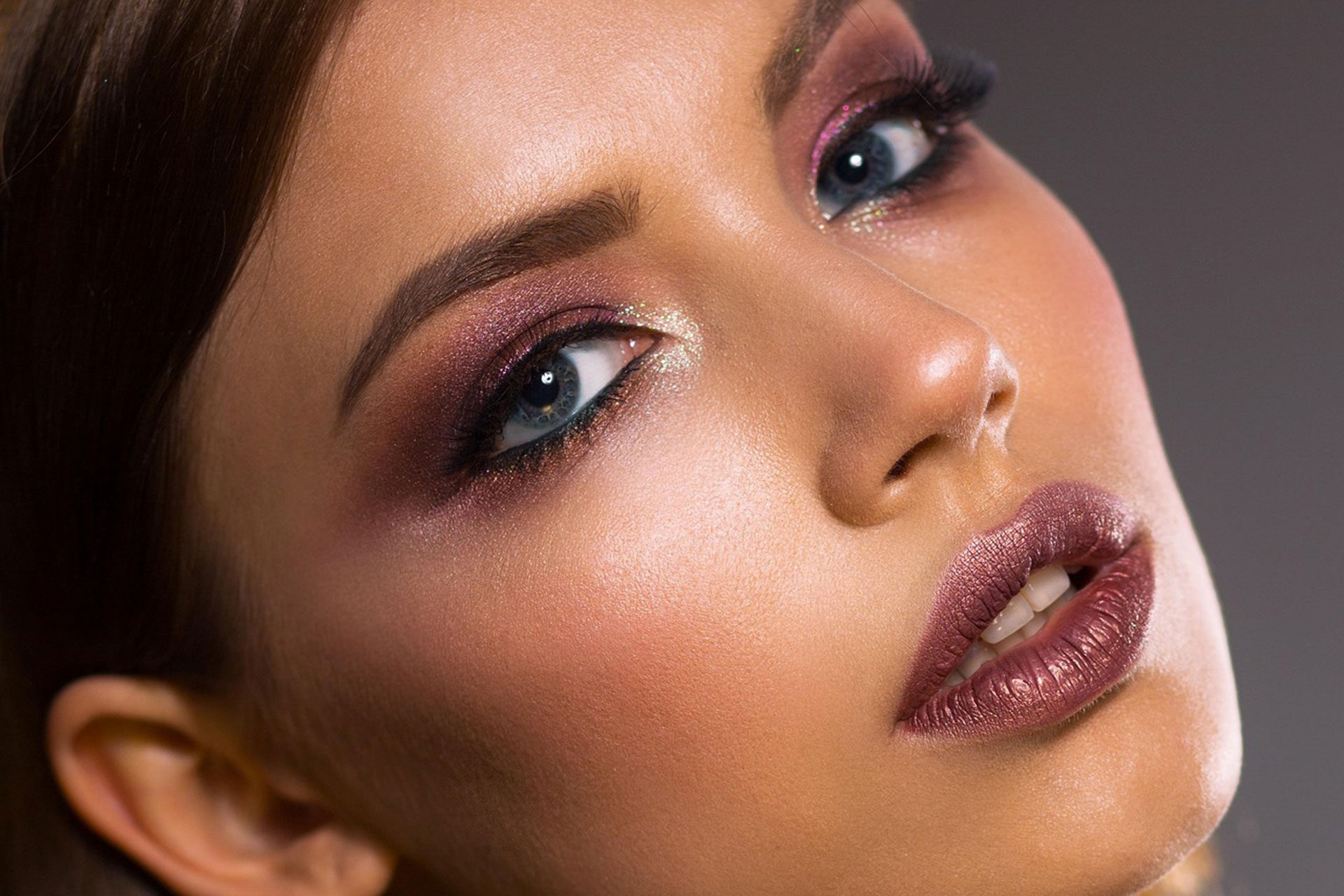
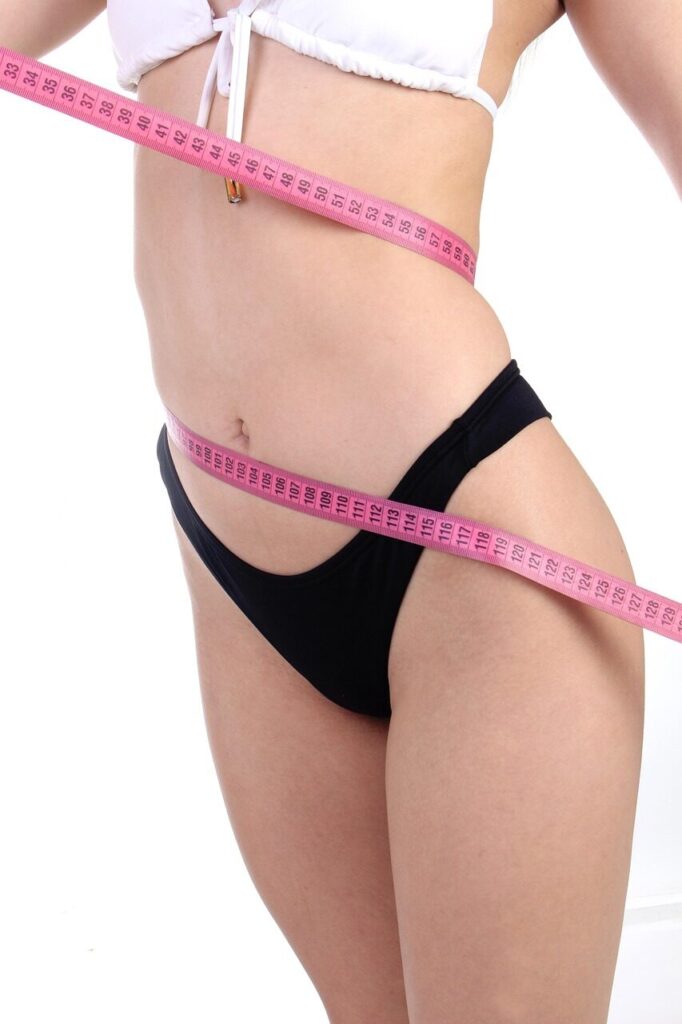
Beauty used to be relative, but today it’s often a product, carefully designed by brands, media and influencers. Cosmetics companies, fashion conglomerates and beauty startups invest billions to sell an ideal — an ideal that’s thin, tanned, flawless and retouched. Filters, Photoshop, targeted advertising: all of this constructs a reality that hardly anyone can achieve.
 © pixabay / Gromovataya
Casting shows do the rest — whether on reality TV or in competitions such as “America’s Next Top Model” or local variants: winners, beauties who have to measure themselves against certain standards, often under considerable pressure. Brands beckon with careers, fame and social recognition — all contrary to the norm.
The invisible pressure
Young girls in their teens are particularly affected. They grow up with Instagram feeds, TikTok videos and countless influencers showing daily beauty routines, “fitspiration” and perfectly staged lives. Studies show that content about fitness and diet (“fitspo”) on TikTok worsens body image and leads to eating pressure, low self-esteem and the feeling of never being “good enough.”
Another study in the UK involving 375 girls (average age approx. 15) found that influencers are perceived as role models – not only for makeup or outfits, but also for body shape, self-esteem and mental health. Many of the respondents said that they compare themselves to influencers’ posts and that this comparison is often harmful.
Why companies exploit this so heavily
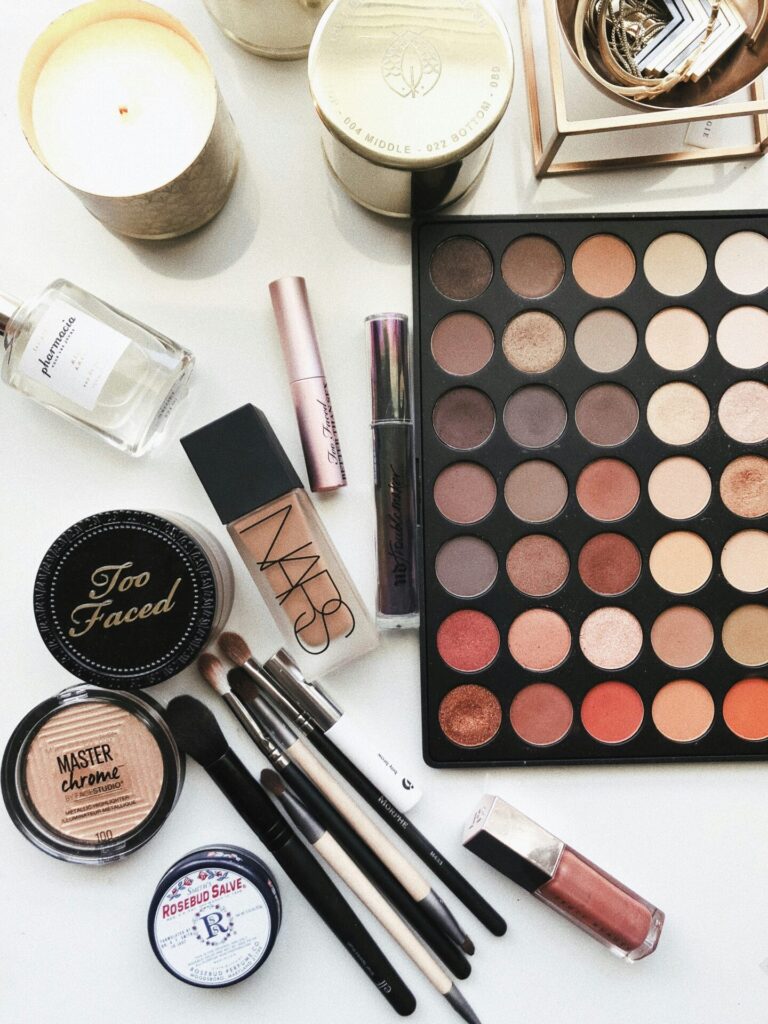
Because perfection brings profit. When young people are insecure, cosmetics, skinny shakes, weight loss programs and filter apps become big markets. Products that promise corrections — from skin care to teeth whitening — flourish. Companies deliberately use retouched images and beauty ideals that can only be achieved with extensions or filters. The consumer is supposed to idealize, desire, buy. Poor self-esteem becomes a sales strategy.
 © unsplash / Jazmin Quaynor
 © pixabay / outsideklick
A way out: education & authenticity
Fortunately, there are ways out of this spiral. Media literacy is key: young people must learn to critically question advertising, edited images and influencer perfection. Platforms should be more heavily regulated — labels for edited images, transparency in the use of filters and advertising.
In addition, real role models who are not perfect, who show their flaws and bear scars, can help. Campaigns such as “Body Positivity” or projects such as “Changing the Perfect Picture” by the British Parliament emphasize how harmful constant comparison is — and how important diversity is.
Bottom line
Beauty should not be a competition. It should not be an ideal that we chase after, one that we can neither achieve nor sustain. If we stop evaluating ourselves and start accepting ourselves — with our rough edges and everything in between — then the obsession with beauty will lose its power. And then beauty will finally become truly beautiful.
Ressources
- Researchers find TikTok fitness videos cause negative body image issues: The Independent
- Understanding adolescent girls’ thoughts and opinions on having social media influencers deliver body image and mental health support: A mixed-methods study: PubMed
- Body image harms online: UK House of Commons