
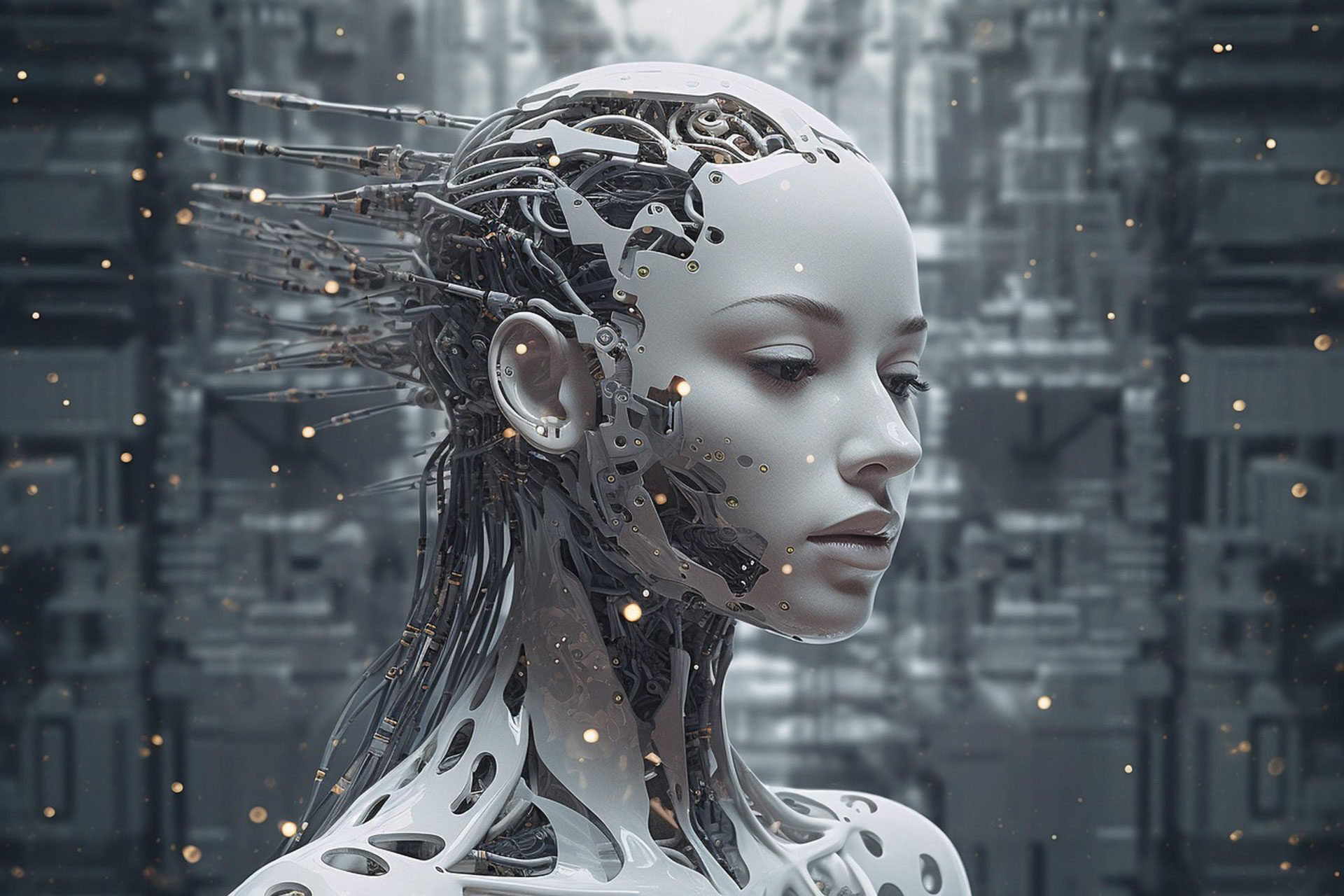
Artificial intelligence is changing our everyday lives faster than we can say “algorithm” – and that is both a blessing and a curse. Let’s take a look at the opportunities, risks and pitfalls of digital thinking machines – and ask: Who is actually controlling whom here?
 © pixabay / Alexandra Koch
Everyday magic – What AI gets right
Imagine this: your lights turn on as you enter a room, your fridge reminds you you’re out of milk, your playlists adapt to your mood and your doctor spots early cancer signs with a machine’s precision. That’s AI in everyday life — making ordinary living smoother, safer and even more inclusive. It helps not just with mundane tasks like navigation or reminders but also improves accessibility for people with disabilities and enhances workplace safety.
The glitches, biases & big risks
But the same technology that unlocks doors can also lock society into unfair systems. An engineer raised alarms about Microsoft’s AI image generator, which reportedly made harmful or objectifying content — even when it clearly should not have. Working with biased training data, AI can reinforce stereotypes. OpenAI’s Sora tool regularly defaultes to sexist, racist, or ableist representations when creating videos. And ethical issues like deepfake disinformation, algorithmic bias in hiring, or surveillance creep threaten privacy and equality.
What we need to watch out for
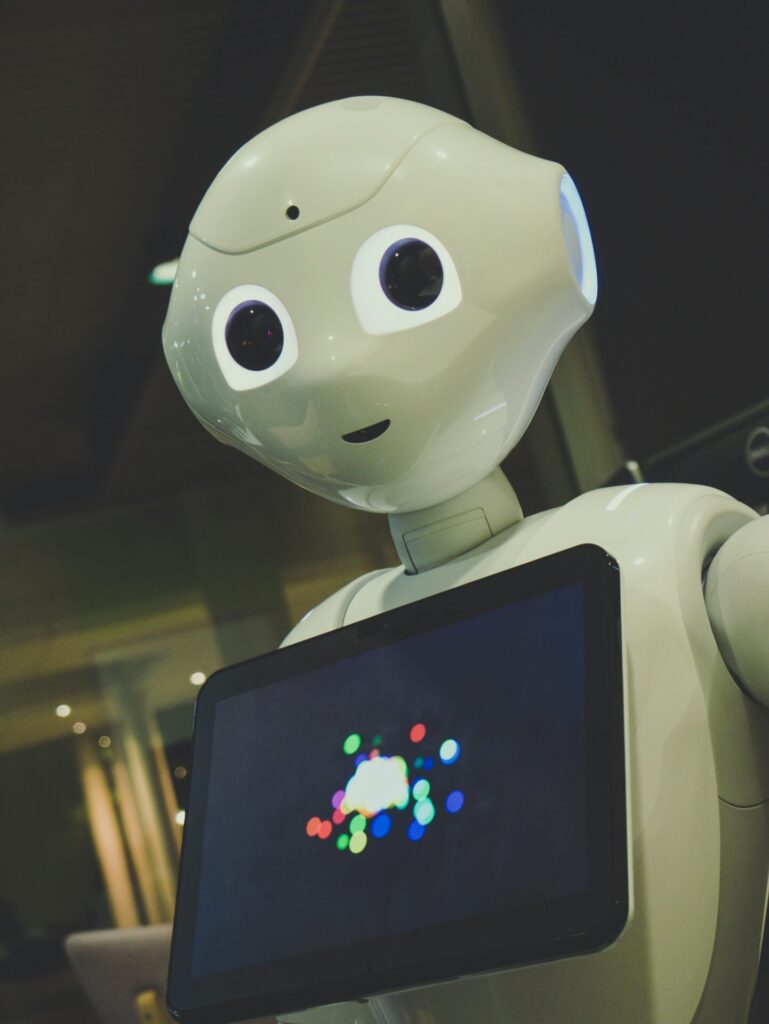
It’s not enough to build smarter AI — we need kinder, more transparent, responsible AI systems. That means demanding fairness, understanding how algorithms make decisions and ensuring data diversity. The UN advisory body has issued recommendations to govern AI globally — calling for transparency, regulation, and accountability to stem misinformation and unchecked development. Academic roadmaps for “responsible AI systems” emphasize auditability, ethical design and societal trust.
 © unsplash / Owen Beard
 © unsplash / Andrea De Santis
A future where AI serves, not rules
Now here’s where optimism gets practical. Imagine AI used to bridge gaps, not deepen them. Tools that support teachers rather than replace them. Medical diagnostics that are accessible in remote villages. Public services that work for the marginalized. If we demand open AI governance, if users stay informed, if companies are held accountable — and if policy catches up — AI could help us build a more equal society.
Yes, we’ll still need critical thinking, empathy, human values — because AI doesn’t feel. But combined with human oversight and ethical guardrails? There’s no reason we can’t guide this tech toward solutions — not just disruption.
Bottom line
AI isn’t a sci-fi villain. It’s a mirror held up to society — showing what we want it to be. If we’re wise, we’ll shape it with caution, clarity and commitment. Then the future won’t just be smarter — it could be kinder too.
Ressources
- Is Artificial Intelligence Good for Society?: Encyclopædia Britannica
- Microsoft ignored safety problems with AI image generator, engineer complains: The Guardian
- OpenAI’s Sora Is Plagued by Sexist, Racist, and Ableist Biases: Wired
- What are the pros and cons of using AI?: Microsoft
- UN advisory body makes seven recommendations for governing AI: Reuters
- Responsible Artificial Intelligence Systems: A Roadmap to Society’s Trust through Trustworthy AI, Auditability, Accountability, and Governance: Cornell University