
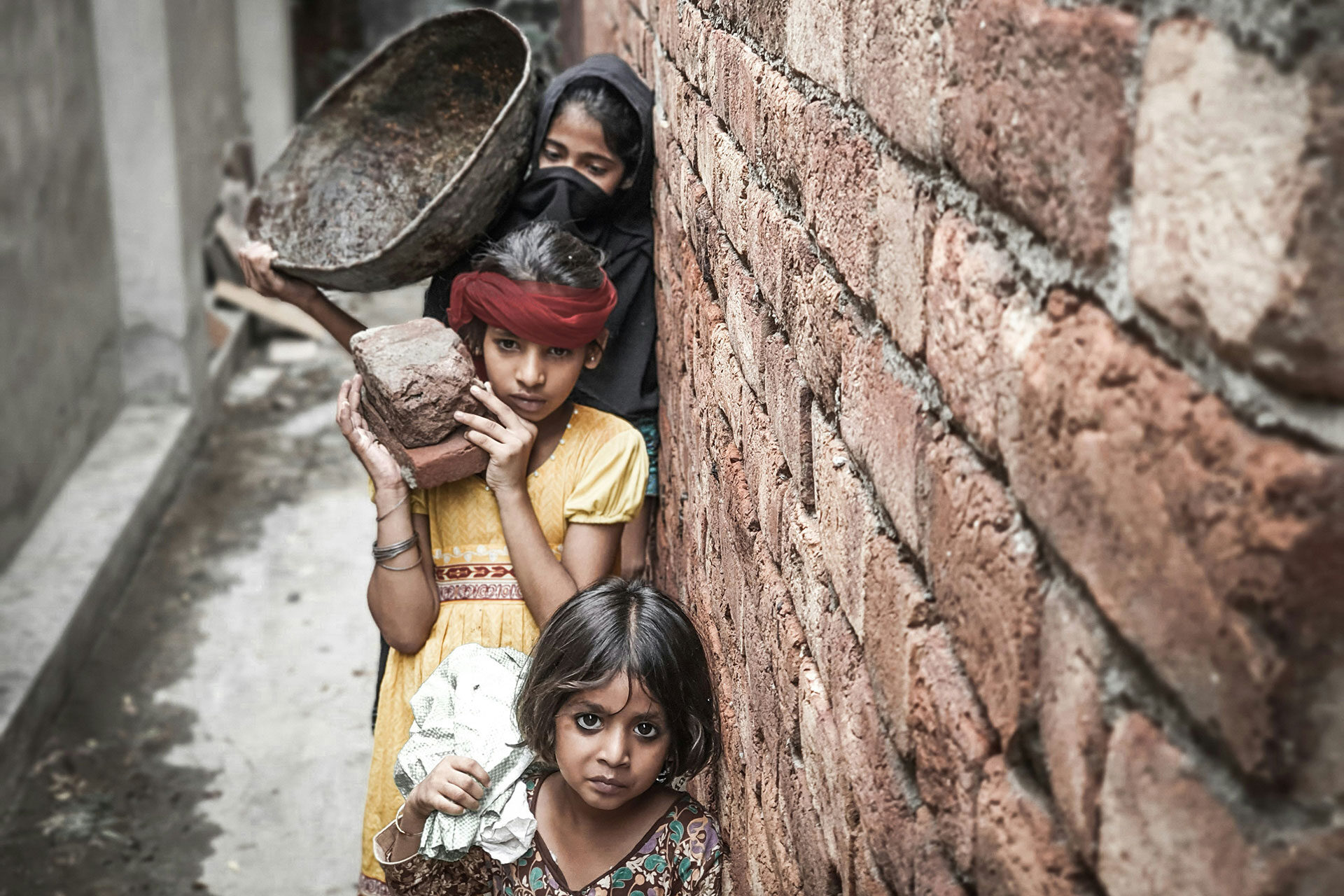
Hardly anyone likes to admit it, but almost all of us have bought something that has passed through the hands of children. Chocolate, smartphones, jeans – somewhere along the global supply chain, child labor is involved. And this in 2025, even though we have long known how brutal it is. Why are children still toiling away today while other children in Europe are cramming math or dancing on TikTok? Where are the historical roots of this evil, which regions are most affected – and what does the West have to do with it?
 © unsplash / Aima Yasir
How it all began
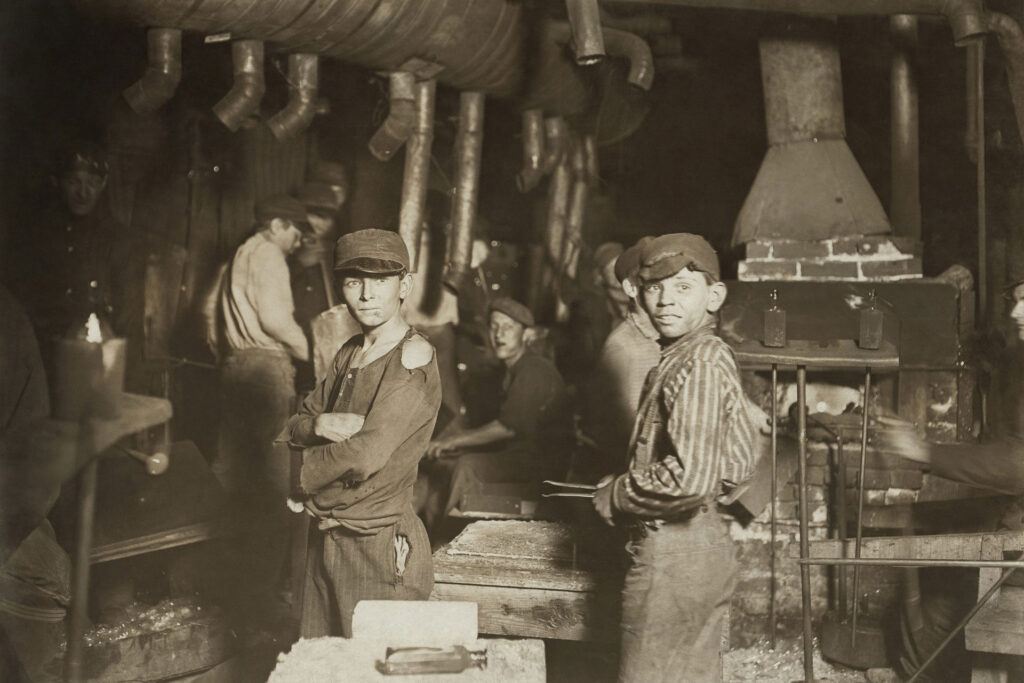
Child labor is not a new phenomenon, but an old chapter in human history. As early as the 18th century, during British industrialization, children were the perfect workforce: cheap, docile and small enough to crawl under machines. They wove, sewed and sanded – often for twelve hours a day. The Factory Act of 1833 was the first attempt to protect children under the age of nine from factory work. But the pattern remained: poverty + lack of education + economic pressure = child labor. This formula still applies today – except that the factories are now located elsewhere.
 © pixabay / Wikilmages
Why children still toil
Despite international bans and outrage, child labor remains a reality. The reasons are shockingly banal:
- Poverty forces families to accept any income they can get – including that of their children.
- Lack of education closes off alternatives: those who cannot attend school end up in the fields, in quarries or in workshops.
- Weak laws and inadequate monitoring allow exploitation to go unpunished.
- And finally, there is global demand for cheap products. The cheaper we want to buy, the greater the pressure on producers to cut costs – often at the expense of children.
Where child labor is worst
Around 138 million children worldwide are working, with around 54 million of them doing so in hazardous conditions. Sub-Saharan Africa is particularly affected, with almost two-thirds of all working children living there – around 87 million. The problem is also widespread in Asia, Latin America and parts of the Middle East. Around 61% of child labor takes place in agriculture: on cocoa plantations, cotton fields or coffee plantations. The rest is spread across industry and services – for example, in the textile sector or in mines.
Why there in particular? Because poverty, a lack of social security systems and informal employment go hand in hand. And because child labor there is often not considered a “crime” but rather a survival strategy.
Our complicity
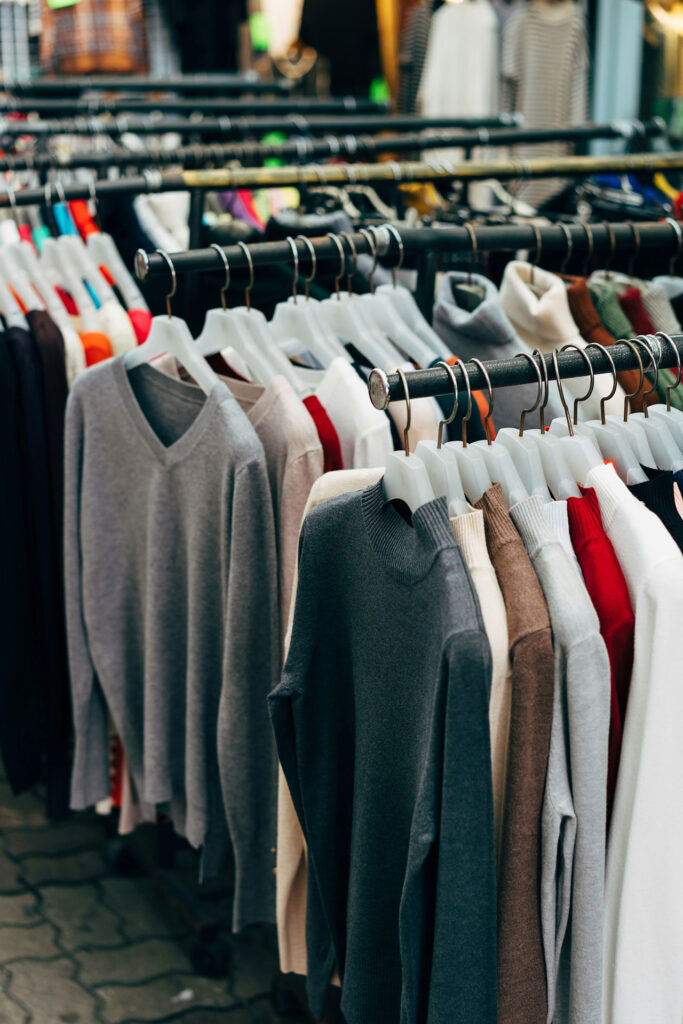
The wealthy West bears considerable complicity – not out of malice, but out of convenience. Our desire to consume cheap products keeps a system running in which child labor is calculated like any other production factor. Multinational corporations profit from low wages and a lack of oversight in the Global South. Even with supply chain laws, implementation remains difficult. And let’s not forget: Europe’s prosperity also began on the backs of child labor – our industrialization was its origin.
From a moral perspective, this means that child labor is not a distant problem, but a global reflection of our lifestyle.
 © unsplash / Samuel Ramos
 © unsplash / Markus Winkler
Ways out of the vicious circle
There is good news. Since 2000, the number of working children worldwide has fallen significantly – thanks in part to education programs, social assistance and greater pressure on companies. The way out of this misery is clear:
- Education instead of work – free, high-quality schools for all.
- Social security systems so that families are not dependent on their children’s income.
- Fair supply chains and binding controls for companies.
- Conscious consumption – every purchase decision is a political act.
Bottom line
Child labor is not a relic of the past, but a symptom of global inequality. Its roots run deep – in poverty, history and our own consumption habits. But the fight against it is not lost. When education, fairness and economic responsibility come together, the next generation can work – but in classrooms, not quarries. Because every child who learns instead of toils is a step toward a more just future for us all.
Ressources
- 1833 Factory Act. Did it solve the problems of children in factories? The National Archives
- 2024 Global Estimates of Child Labour in figures: International Labour Organization
- Despite progress, child labour still affects 138 million children globally: UNICEF
- 2024 List of goods produced by child labor or forced labor: Bureau of International Labor Affairs