
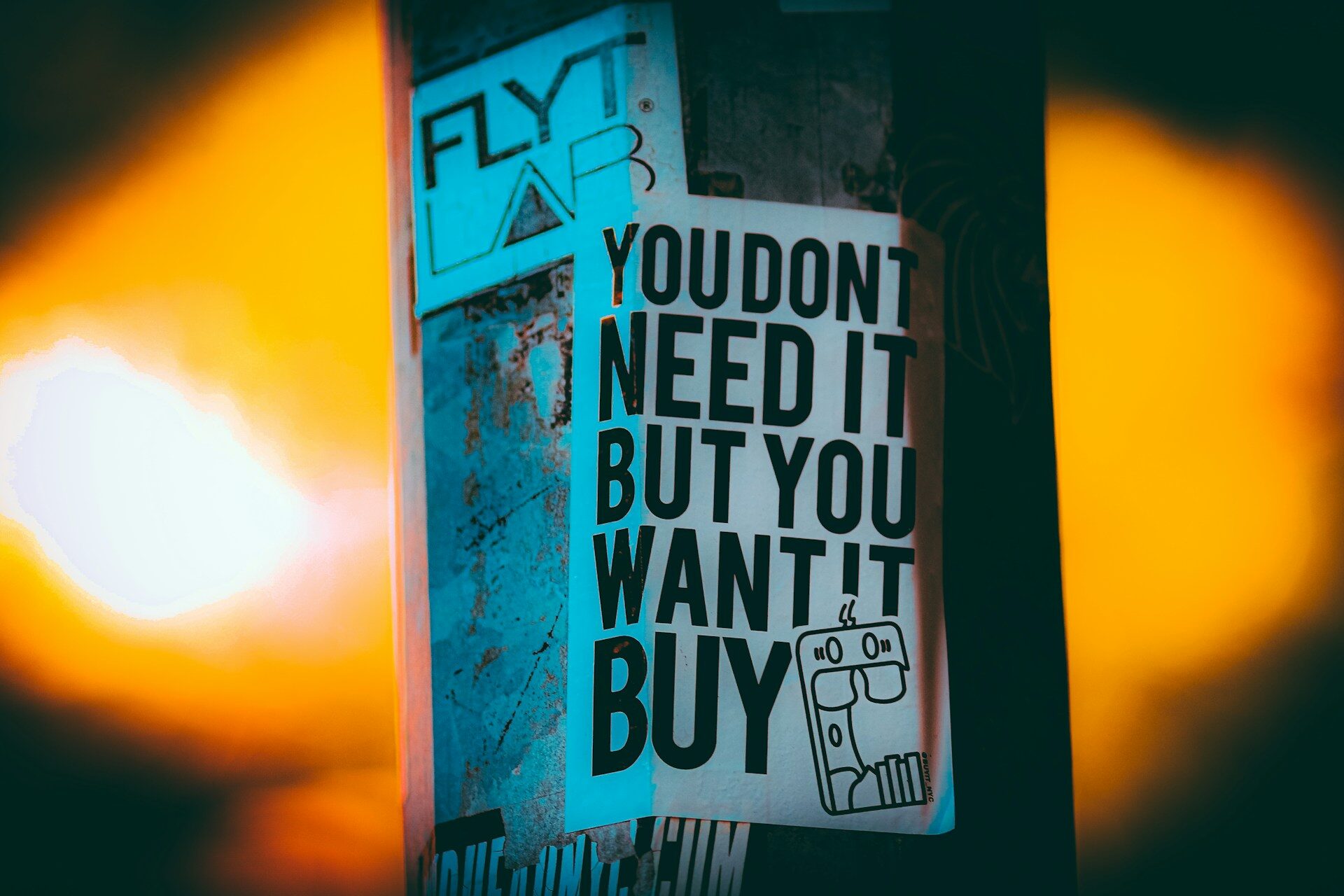
In advertising you see perfect lives — new cars, stylish apartments, designer clothes. And suddenly, you feel that tug in your stomach. “I want that too!” Seconds later, you’re scrolling through online shops as if they hold the answer to your inner emptiness. Welcome to the hamster wheel of modern consumption.
 © unsplash / Artem Beliaikin
I shop, therefore I am
Needs no longer arise organically — they are manufactured. Billions are poured into advertising, psychology and algorithms to constantly convince us that we are lacking something. Scarcity, social proof (“everyone has it”), influencer marketing – all methods to stage happiness in the shopping cart.
Social media fuels this in particular: a study with 596 participants shows that materialism and the need for self-expression are closely linked on platforms such as Instagram.
A short-lived thrill
The new laptop, the fancy car, the fifth pair of sneakers: for a moment, you feel great. But soon the feeling is gone. This phenomenon is called hedonic adaptation – our brain gets used to new stimuli in a flash.
But materialism reduces life satisfaction in the long term. Buying makes you happy – but only for a short time. After that, emptiness remains, only with more things and less meaning.
The profit machine
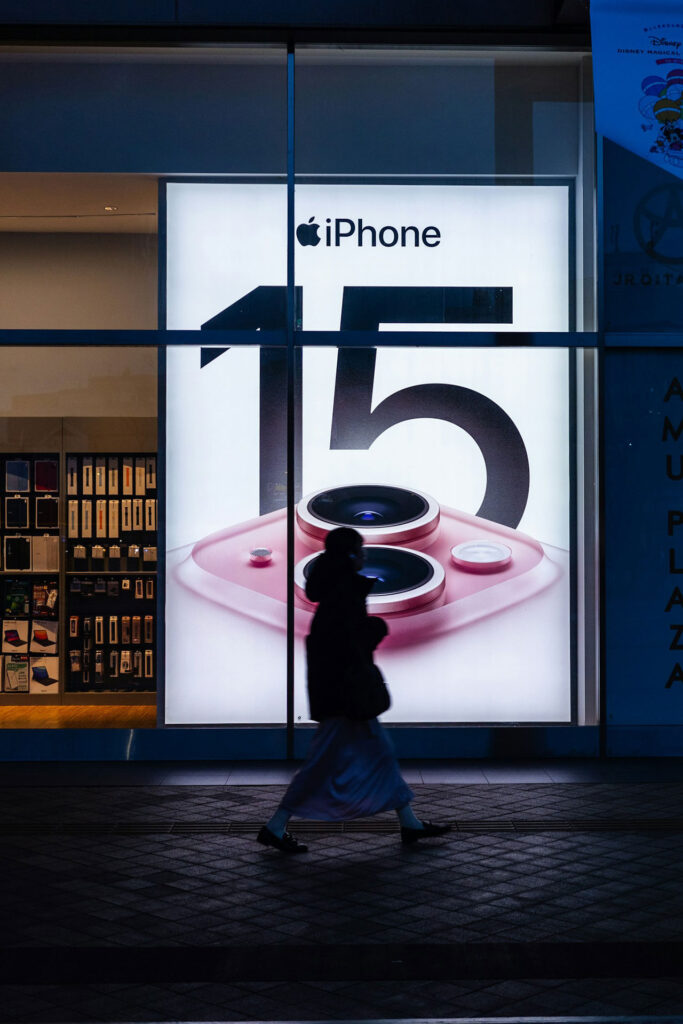
Companies know this – and exploit it mercilessly. Today, products are often deliberately designed to be short-lived: planned obsolescence. New models appear before old ones are really worn out. Advertising no longer sells products, but identity: “Buy this, and you’ll be somebody.”
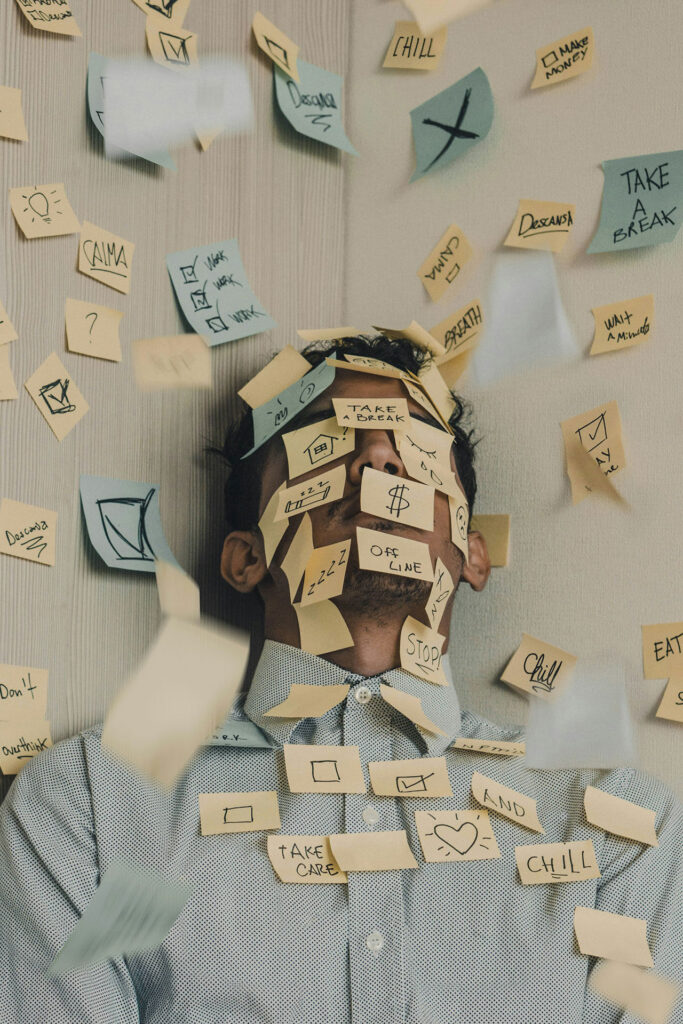
But the more we tie our value to possessions, the more dependent we become. The more materialistic people think, the more they suffer from stress and compulsive consumption.
 © unsplash / Kouji Tsuru
 © unsplash / Luis Villasmil
Where true happiness lies
Scientifically, it is clear that experiences make us happier than things. Experiences become part of our identity, while objects fade away. They generate more lasting well-being than material purchases. Happiness comes from meaning, not possessions – from closeness, creativity, nature and purpose.
The way out: live consciously
The first step is simple: pause. Recognize when a desire to buy arises from emptiness, boredom or stress. Consumption is not the enemy — but it must not become a substitute for life. Practical ways out of the cycle:
- Minimalism: Buy less, but more consciously.
- Experiences instead of things: Invest in memories, not objects.
- Digital diet: Less comparison, less sensory overload.
- Live sustainability: Repair, exchange, share.
Bottom line
Our society constantly whispers: “You need more!” But the louder this call becomes, the quieter the things that truly nourish us become — meaning, closeness, freedom. Consumerism is not a law of nature, but a cultural construct.
If we have the courage not to go along with everything, space is created for what really matters. The greatest luxury of our time is not possession — it is contentment.
Ressources
- Materialistic Tendency and Conspicuous Consumption Behavior: The Mediating Role of Social Media Usage: DergiPark
- Materialism and life satisfaction relations between and within people over time: Results of a three-wave longitudinal study: Society for Consumer Psychology
- Uncovering the Role of Materialism Values in the Relationship Between Compulsive Buying and Psychological Distress: A Mediation Model in a Romanian Sample of Females: Psychological Studies
- The Unsung Benefits of Material Things: Material Purchases Provide More Frequent Momentary Happiness Than Experiential Purchases: Sage Journals