
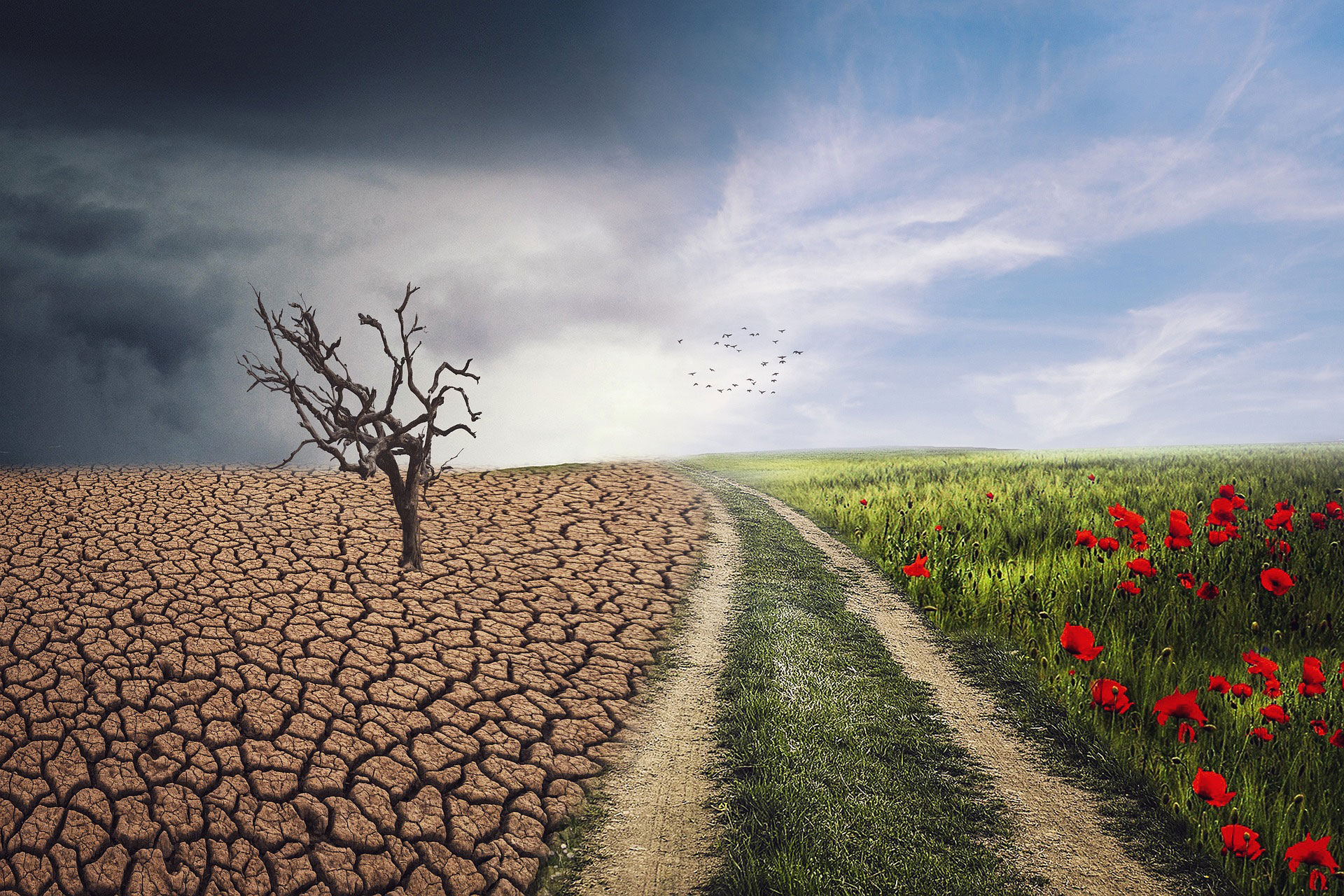
Climate change is one of those topics that immediately stirs up emotions. For some, it’s the greatest threat of our time, while others consider it exaggerated or politically exploited. That is precisely why it’s worth taking a sober, science-based look at the issue: What do we really know today? How has the climate changed historically? And what does a warmer Earth mean in concrete terms for humans, animals and the environment?
 © pixabay / ELG21
A look back
The Earth’s climate has always changed. Ice ages and warm periods have alternated over millions of years – triggered by factors such as volcanoes, solar activity or changes in the Earth’s orbit. What is new, however, is the pace: since the beginning of industrialization, the global average temperature has risen by about 1.2 °C. In climate history, that’s extremely fast.
The current state of research
The Intergovernmental Panel on Climate Change (IPCC) regularly summarizes the state of research. The key finding of the latest assessment report is that warming is real, measurable and unequivocal. Satellite data, ice cores, ocean measurements and climate models all tell the same story. Particularly striking is the sharp increase in the greenhouse gases CO₂, methane and nitrous oxide in the atmosphere.
Man-made – or coincidence?
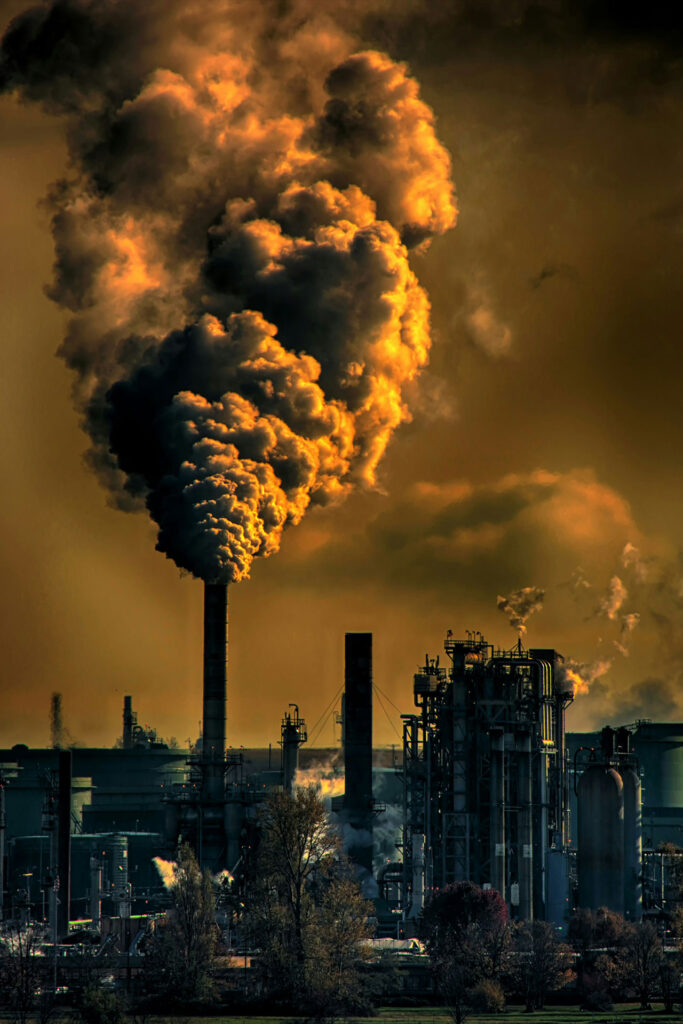
Scientists are unusually unanimous on this point: the vast majority of the current warming can only be explained by human activities, primarily the burning of fossil fuels and changes in land use. Natural factors alone cannot reproduce the observed trend. This is not an opinion, but the result of thousands of studies.
 © unsplash / Chris LeBoutillier
 © unsplash / Tobias Rademacher
What does this mean for humans, animals and the environment?
For humans, warming means more heat waves, increasing health risks, water shortages and economic damage. Coastal regions are threatened by rising sea levels. Animals and ecosystems are under pressure: coral reefs are dying, habitats are shifting and species are disappearing faster than they can adapt. The environment is becoming more unstable – and we are part of it.
Looking ahead: possible future scenarios
Depending on emissions trends, scenarios range from stabilization at around 1.5 – 2 °C to warming of over 3 °C by 2100. The higher the temperature, the greater the risks: tipping points, irreversible changes and social conflicts become more likely. Climate change is therefore not a distant environmental problem, but a social one.
Is there a way out?
The good news: physics is merciless, but also honest. Fewer emissions lead to less warming. Renewable energies, efficiency, technological innovations and changed lifestyles are effective. Adaptation and climate protection are not mutually exclusive — they complement each other. Research shows that action is worthwhile, even if not everything goes perfectly.
Bottom line
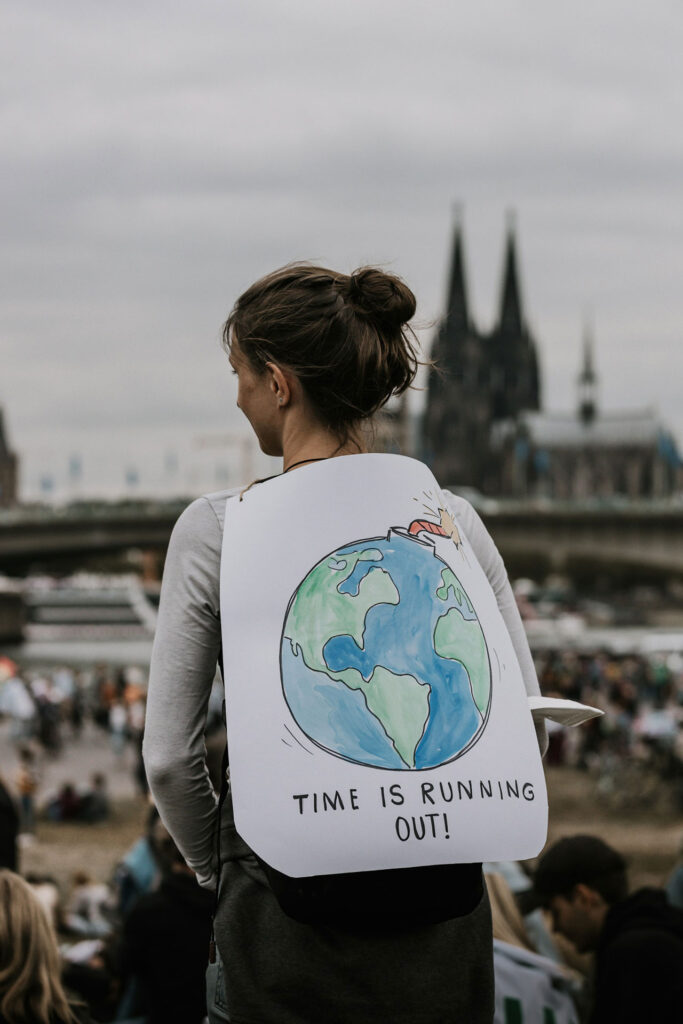
Climate change affects us all, whether we like it or not. The scientific facts are clear, but they leave room for action. Between alarmism and trivialization, there is a third way: stay informed, discuss rationally and act pragmatically. The future is not set in stone — it responds to what we do today.
Ressources
- The Intergovernmental Panel on Climate Change: IPCC
- Climate Change: Evidence & Causes: NASA
- Climate: National Oceanic and Atmospheric Administration
- Global Carbon Project: Global Carbon Project