
Imagine turning on the tap — and nothing comes out. While we in Europe flush liters of clean water down the toilet or water our gardens without a second thought, billions of people around the world struggle every day for every single sip. This stark inequality is not a future scenario, but a bitter reality — and it affects not only poor regions, but is a global wake-up call.
 © unsplash / Jeff Ackley
Water scarcity in figures
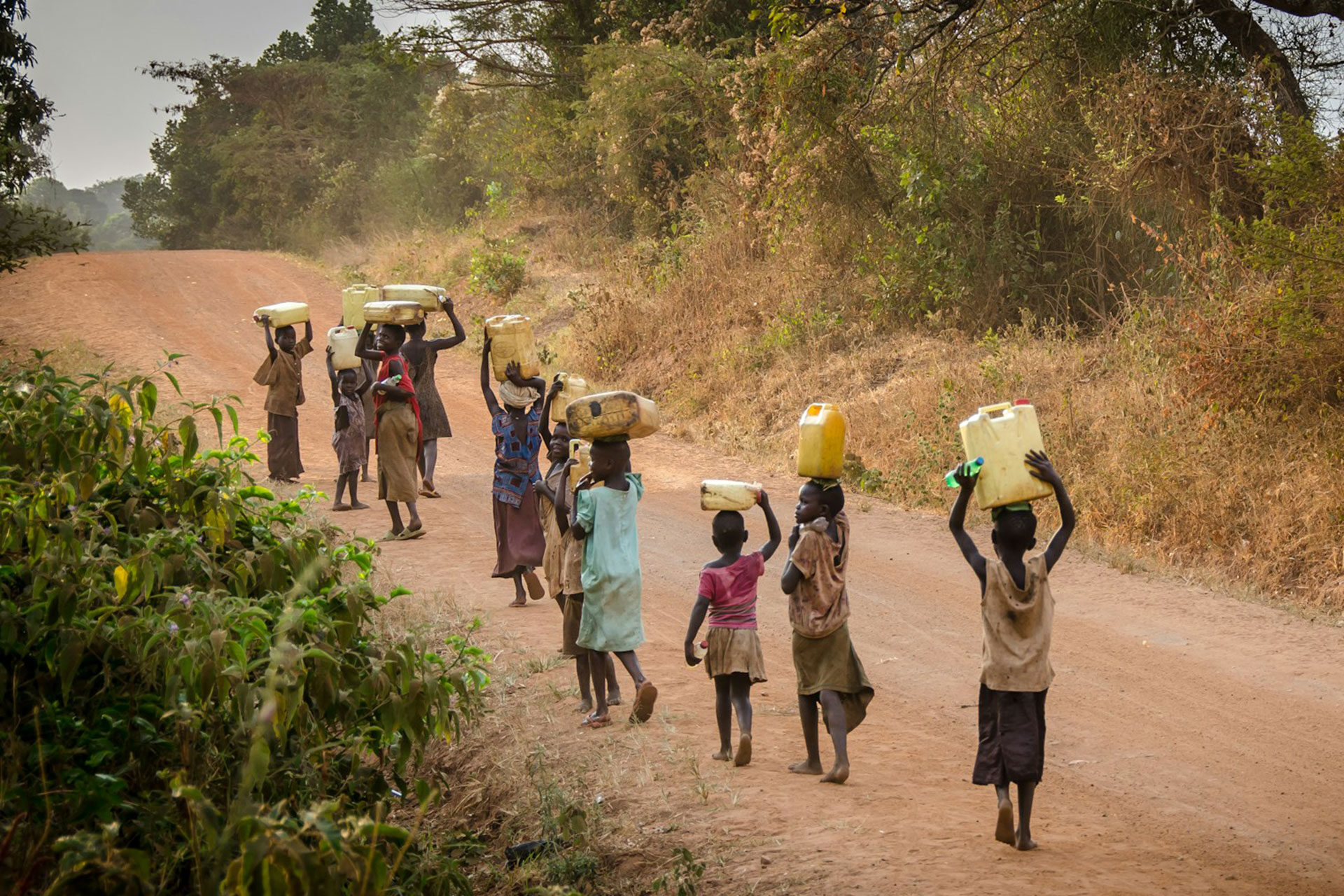
Despite technological advances, around 2.1 billion people worldwide live without access to safe, clean drinking water – that’s about one in four people in the world. In addition, about half of the global population regularly lacks clean water for part of the year, which has direct consequences for health and nutrition.
This deficit is not evenly distributed: in particularly affected countries without stable infrastructure, almost all inhabitants are confronted with the problem, while richer regions can provide clean water across virtually the entire country.
The worst-affected regions
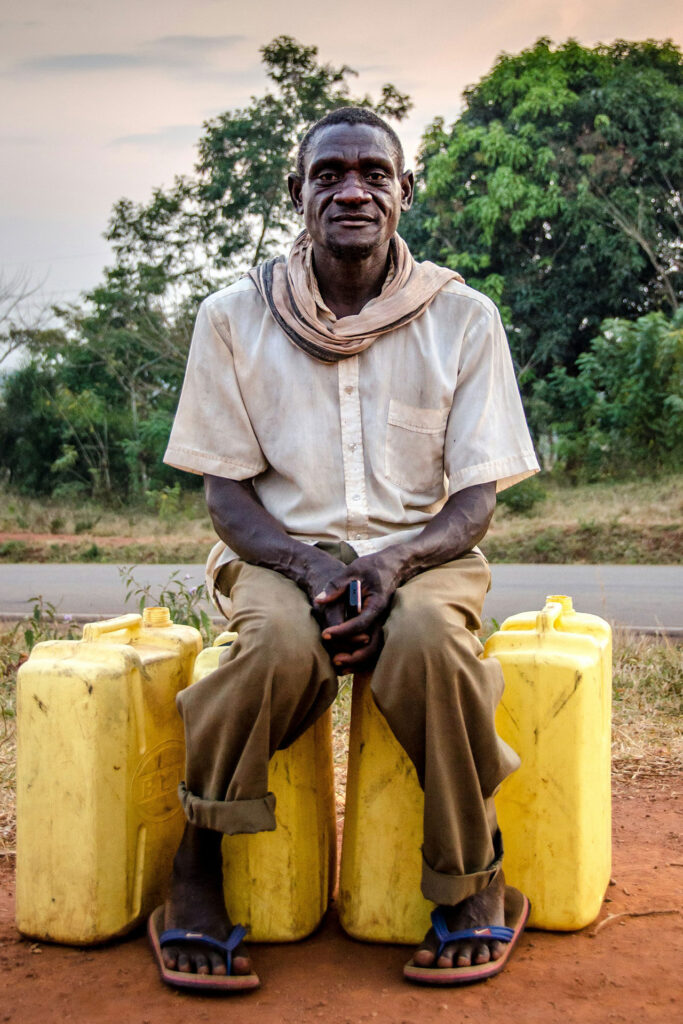
In many parts of sub-Saharan Africa, South Asia and the Middle East, water scarcity is a defining factor in people’s lives. Conflicts, droughts and destroyed water infrastructure exacerbate the situation. In some areas of Africa over 90% of the population lacks access to safe drinking water, which not only endangers health but also hinders education and economic development.
In crisis areas such as Gaza destroyed infrastructure has reduced average water consumption to just 3–5 liters per person per day – a fraction of what is needed for hygiene and health.
Europe: Luxury problems and silent warning signs
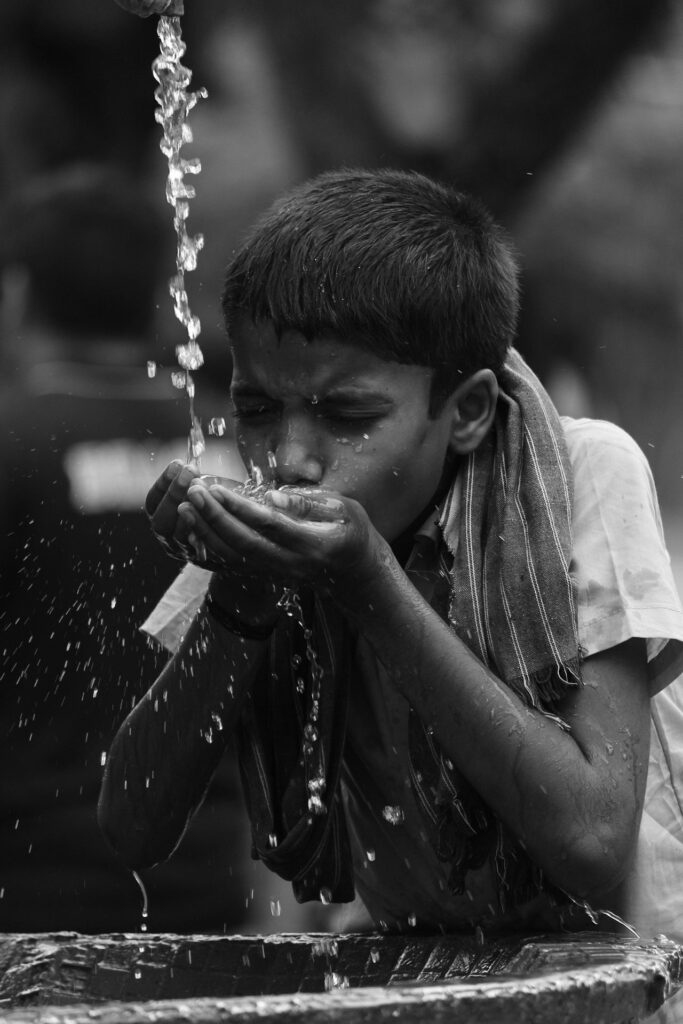
In Europe, we turn on the tap and automatically expect clean water – and often even more than we really need. While daily per capita consumption in this countries is over 100 liters, elsewhere even a fraction of that is often lacking for survival. But even in rich countries, pressure on resources is growing: falling groundwater levels, outdated pipe networks and rising consumption signal that sustainability is not a sure thing here either.
 © pixabay /divakaran_S
 © unsplash / Jeff Ackley
Why is this crisis happening?
The causes are complex, but they can essentially be traced back to three major drivers:
- Climate change: Longer periods of drought and changing precipitation patterns are exacerbating water stress in regions that are already vulnerable.
- Overuse and waste: Agriculture and industry consume enormous amounts of water, often inefficiently. At the same time, large quantities of water are wasted in rich countries.
- Unequal infrastructure: Poverty, lack of investment and weak government structures prevent the development of reliable water supplies where they are most urgently needed.
A possible way out – acting together
The good news is that solutions exist. More efficient water management, investment in infrastructure, smart irrigation techniques and a global solidarity policy can improve access to clean water. Technologies such as on-site water treatment, desalination and rainwater harvesting are already economically and technically feasible today. It’s crucial that policymakers, economic actors and civil society act together before the crisis causes further social and environmental damage.
Bottom line
Water is not unlimited — and it’s certainly not distributed equally. While many of us take it for granted, for billions of people it’s a daily struggle for survival. This inequality threatens health, peace and development worldwide. If we use water more responsibly, both locally and globally, we can mitigate this crisis and create equitable access for all — before it is too late.
Ressources
- Fast facts: 1 in 4 people globally still lack access to safe drinking water: UNICEF
- Water crises threaten world peace: UNESCO
- The global water crisis, explained: Concern Worldwide
- Terrible thirst hits Gaza with polluted aquifers and broken pipelines: Reuters
- Water and Sanitation: OXFAM International