
Imagine a world in which it suddenly becomes quieter. Not all at once, but gradually. First, a bird disappears, whose name hardly anyone knows. Then a frog, an insect, a fish. No siren, no outcry — just another gap in the great puzzle of life. That is exactly what is happening right now. While we scroll, stream and plan, the planet is losing species at a rate that exceeds anything nature has ever produced on its own. Species extinction isn’t a marginal issue for biologists, but one of the central questions of our time. For with every species that disappears, a piece of stability, diversity and the future disappears as well — including our own.
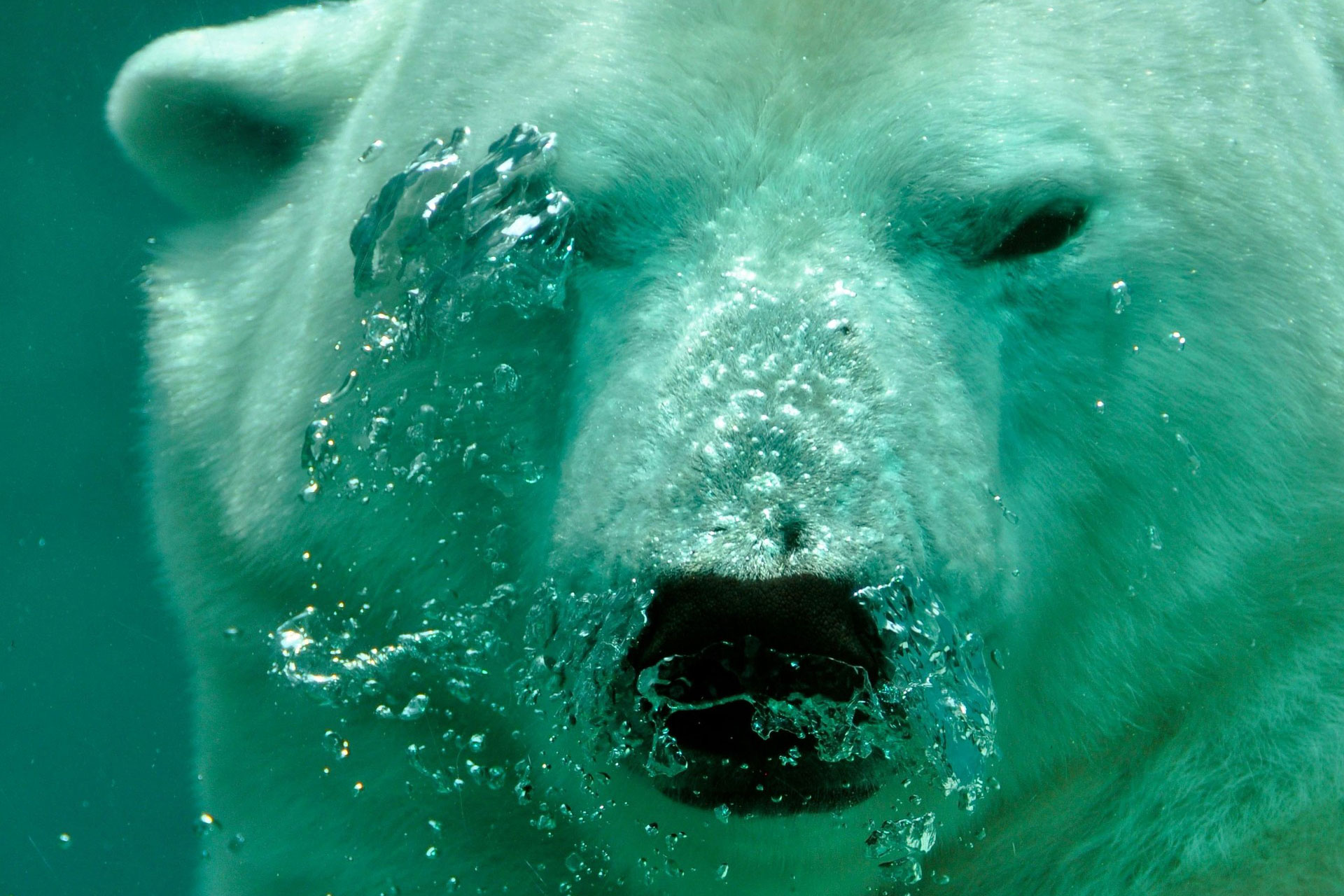 © pixabay / echoyan
Not a new phenomenon, but a new pace
Extinction is part of Earth’s history. Dinosaurs, saber-toothed cats, mammoths – they are all part of a natural change. But the crucial difference today is the pace. What used to take thousands or millions of years now happens within a few generations. Researchers therefore speak of the sixth mass extinction in the history of the Earth – the first not caused by volcanoes or asteroid impacts, but by a single species: humans. Agriculture, industry, transportation and consumption have fundamentally changed the rules of nature.
Figures that can’t be ignored
The sobering data paint a drastic picture. Worldwide, around a quarter to a third of all animal and plant species studied are now considered threatened. Particularly alarming is the fact that since 1970, global vertebrate populations have declined by an average of almost 70 percent. This doesn’t mean that individual species are becoming rarer – entire ecosystems are losing their substance. What sounds like abstract statistics is in fact a massive loss of biological stability.
Particularly endangered species
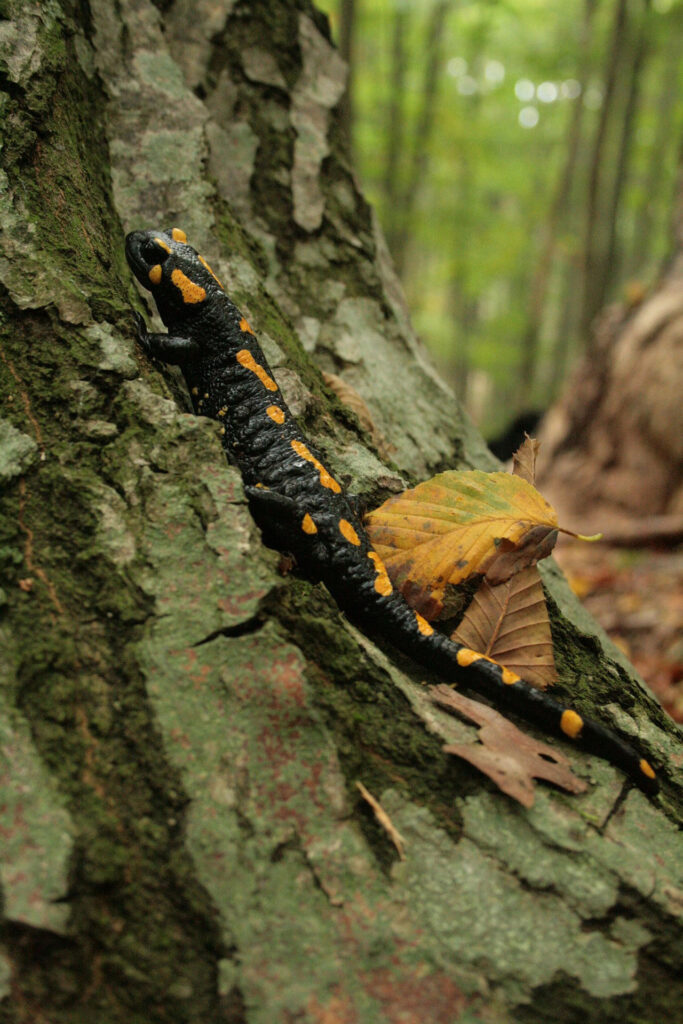
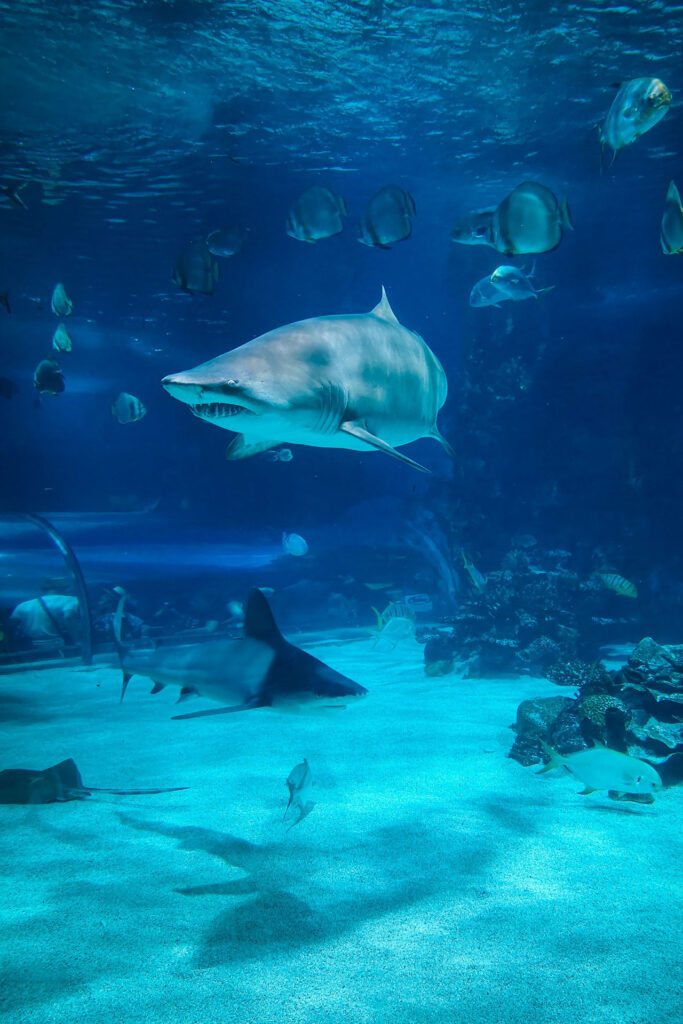
The hardest hit are species that are particularly sensitive to environmental changes or have only small habitats. Amphibians such as frogs and salamanders are sadly at the top of the list. Sharks, rays and corals are also under enormous pressure. Many of these animals play key roles in their ecosystems – if they disappear, entire food chains are destabilized. Some species now exist only in tiny remnant populations, often isolated and with no real chance of survival if nothing changes.
 © pixabay / geraldsimon00
 © unsplash / Tomáš Nožina
Why animals are disappearing
The causes are well known – and alarmingly banal. Forests are being cleared, oceans are being fished empty and landscapes are being fragmented. Climate change acts as an accelerant: rising temperatures, acidifying oceans and extreme weather events put additional stress on animals. Added to this are pollution, pesticides and invasive species that are disrupting entire habitats. Species extinction is not an accident — it’s the result of our decisions.
What we can do
Despite everything, there is no reason to give up. Protected areas, renaturation and sustainable use are showing measurable success — when they are implemented consistently. Our everyday lives also matter: conscious consumption, less waste of resources, more support for nature conservation and political engagement. Each step may seem small, but together they determine the survival of entire species.
Why this affects us all
Biodiversity is not a luxury. Animals pollinate plants, purify water, control pests and stabilize the climate. Without them, ecosystems lose their resilience — and we lose our livelihoods. Species extinction is therefore not only an ecological problem, but also an economic, health and social one.
Bottom line
There are stories that give us courage. Animal species that have returned thanks to conservation measures. Ecosystems that recover when given space. These successes show that the tide can be turned. Species extinction is a warning — but also an invitation. We still have the choice of whether we want to be the generation that stood by and watched, or the one that took responsibility. Time is short. But it’s enough — if we use it.
Ressources
- Red List of Threatened Species: IUCN
- Global Assessment Report on Biodiversity: IPBES
- Living Planet Report: WWF
- Biodiversity – Encyclopedic Entry: National Geographic
- Biodiversity and Ecosystems: UN Environment Programme
- State of the World’s Birds: BirdLife International