
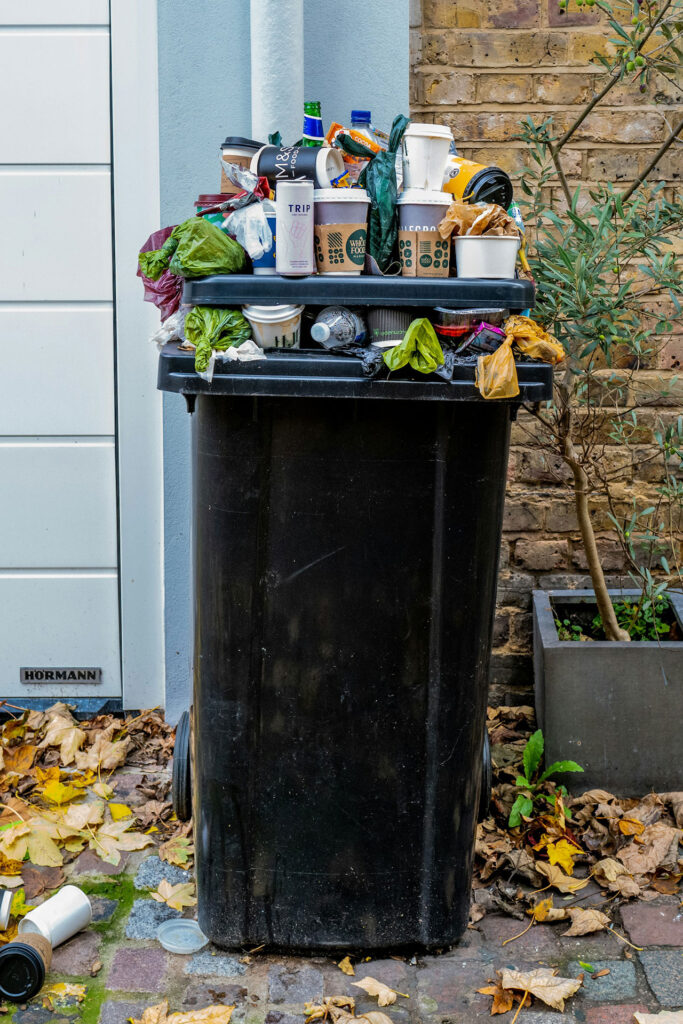
Look around at the rhythm of an ordinary day: a takeaway coffee on the commute, a parcel at the door, plastic wrapping torn open without a second thought. By evening, it all lies crumpled in a bin — leftovers, cardboard, outdated gadgets, single-use packaging. Out of sight, supposedly gone. But nothing truly disappears. Every discarded cup and broken device adds to a growing global pile. Is the planet becoming one vast landfill? The numbers are alarming, the consequences real — and the illusion that “away” exists is one we can no longer afford.
 © pixabay / Maria Gullestrup
Why do we throw so much away?
Our modern consumer culture is fast, convenient and cheap – and it produces mountains of waste. Every year, more than 2 billion tons of municipal waste are generated worldwide – enough to fill 822,000 Olympic swimming pools. Without intervention, this figure will rise to almost 3.4 billion tons by 2050.
One reason for this is the production of short-lived goods: electronics, disposable packaging, fast fashion. It’s not just plastic that is wasted: food, textiles, construction waste – everything often ends up in the trash after only a short period of use. In high-income countries, far more waste is generated per capita than in poorer regions.
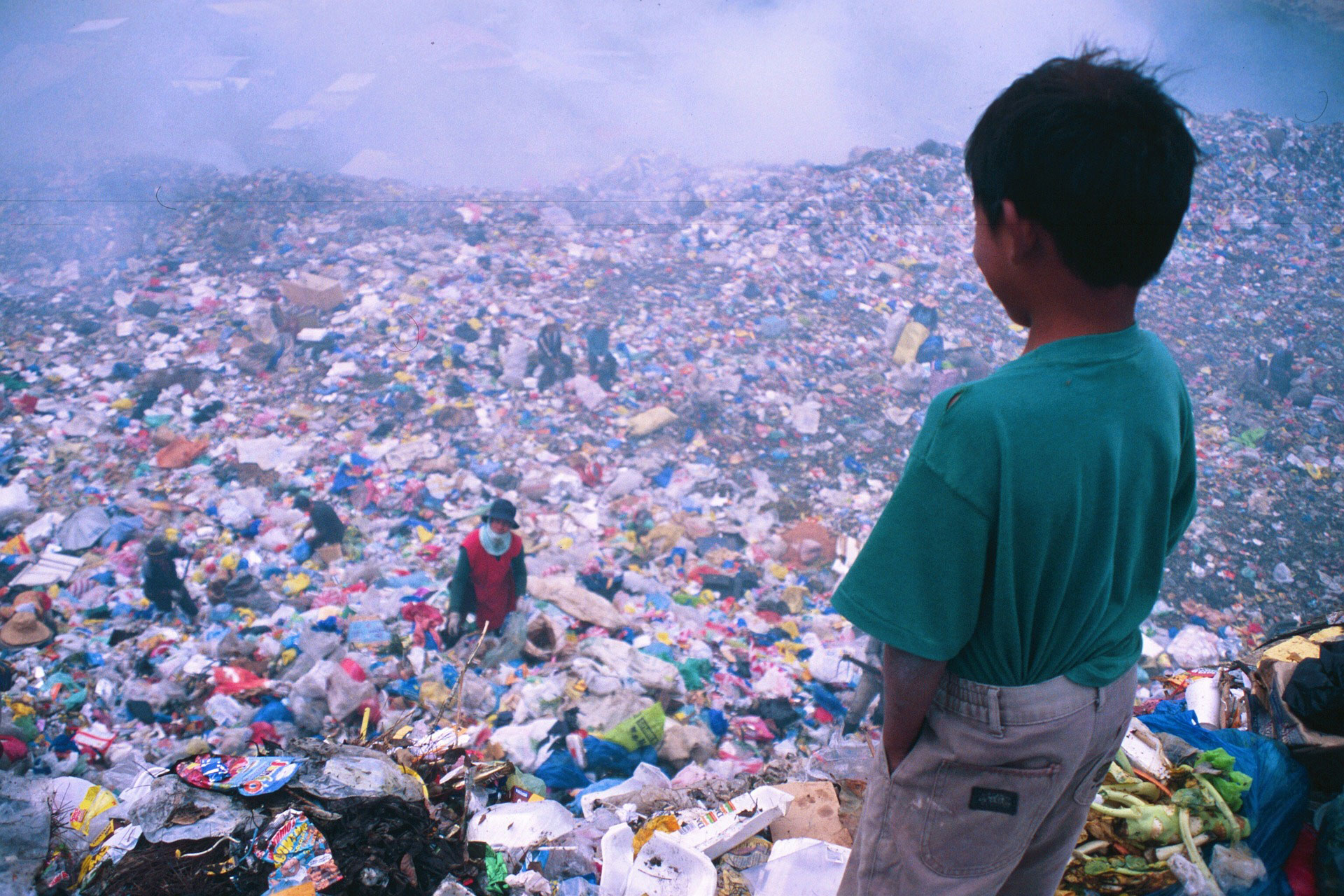
Mountains of waste
There are indeed physically huge mountains of waste: some landfills around the globe have become known environmental hazards, where waste pollutes the surrounding area, contaminates groundwater and makes people sick.
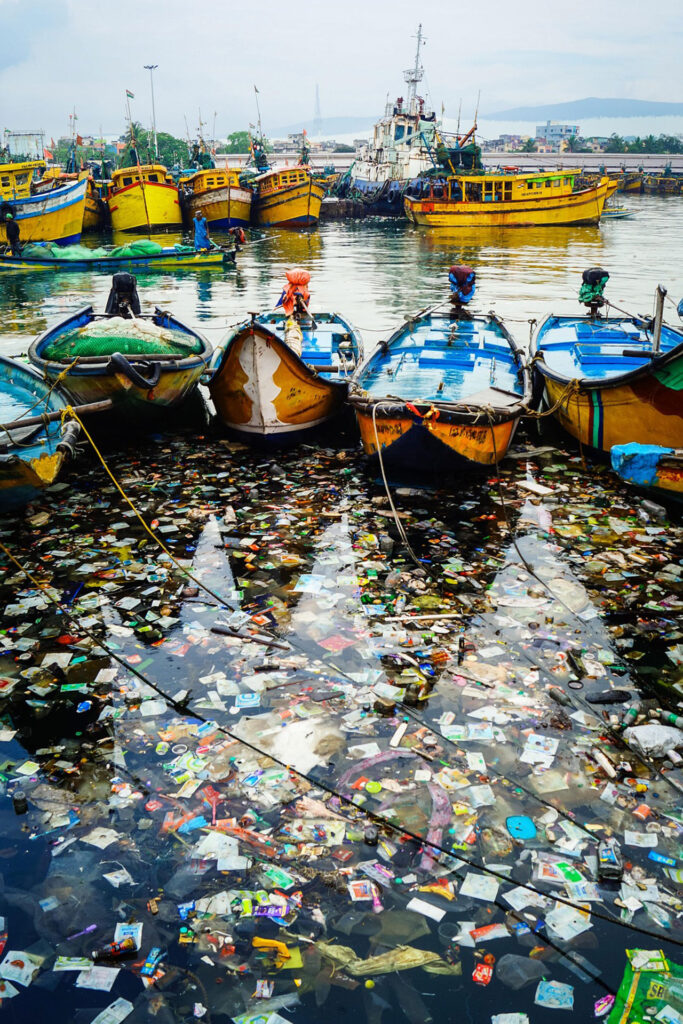
Another tragedy is unfolding in the sea: an estimated 80–150 million tons of plastic are floating around in the oceans – a mass equivalent to the weight of 15,000 Eiffel Towers. Particularly visible are vortexes such as the Great Pacific Garbage Patch, a carpet of plastic in the North Pacific covering an area of approximately 1.6 million km².
Who produces the most waste?
China and the US are among the leaders in waste production in general and plastic waste in particular. According to current data, China alone produces the most tons of plastic waste worldwide, followed by the US, India, Brazil and Japan.
But the problem is global: even countries with functioning recycling systems, such as Germany, still incinerate more than half of their plastic waste or export it abroad, where it is often disposed of improperly.
 © unsplash / the blowup
 © pixabay / Pavan gude
Impact on humans, animals and the environment
The consequences are alarmingly diverse:
- Animals mistake plastic for food — turtles, birds and fish die in agony.
- Microplastics end up in food, drinking water and even human organs.
- Open burning pollutes the air and soil, exacerbating the climate crisis and health risks.
Where to put the waste?
Recycling lids or a deeper cut? Less than 10% of plastic waste is recycled worldwide – the rest ends up in landfills, is incinerated or pollutes the environment. In addition, global recycling rates continue to decline, which shows that we need more than just technology; we need systemic change.
Is there a way out?
Yes – and it starts with us:
- Reduce: Fewer disposable products, more reusable ones.
- Repair & share: Use longer instead of throwing away.
- Politics & circular economy: According to recent studies, reuse programs and binding rules can help reduce plastic pollution by up to 97% by 2040.
Examples such as deposit systems, durable product designs and local initiatives show that we can change direction.
Bottom line
In the short term, the situation looks dramatic — but the earth will not become a landfill overnight. The problems are real, but they can be solved if we question our consumption habits, conserve resources and encourage politicians and businesses to change course. Sustainability is not about sacrifice, but about living wisely. The mountains of trash of the future? Perhaps mountains of opportunity.
Ressources
- Zero Waste Movement Accelerates as Global Waste Levels Surge: Market to Hit USD 740.06 Billion by 2034: Precedence Research
- Here’s what everyone should know about waste: World Bank Group
- Packaging is the source of 40% of the planet’s plastic waste: Our World in Data
- What Are Microplastics?: JAMA Network
- Olusosun landfill: Wikipedia
- Global recycling rates have fallen for eighth year running, report finds: The Guardian