
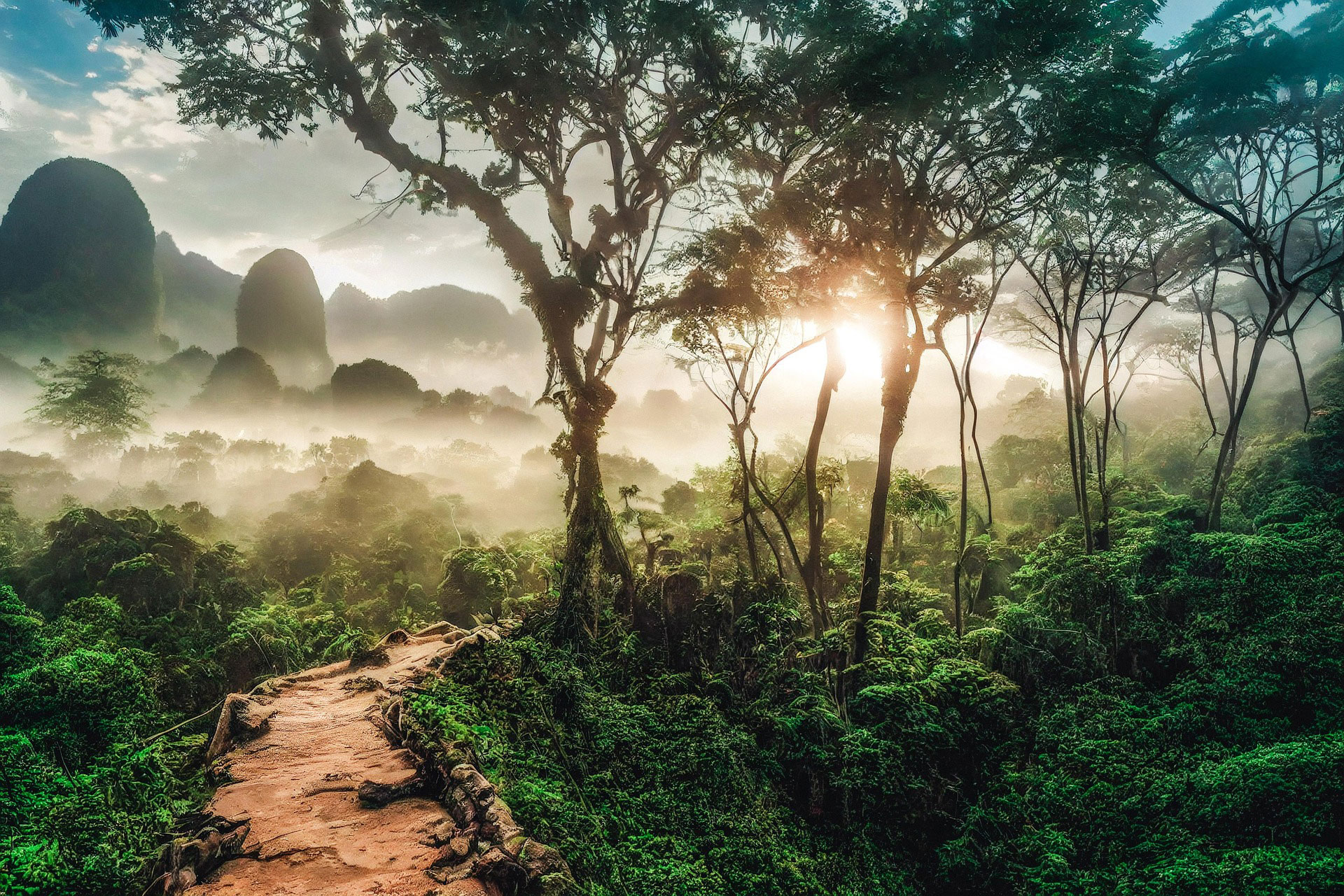
Every minute, rainforest disappears worldwide on a scale that‘s difficult to comprehend. Extrapolated over a year, we are talking about an area the size of Ireland – deforested, burned or permanently damaged. What sounds like a distant environmental problem to many affects our climate, our food supply and ultimately our future. The tropical rainforest is not an exotic natural museum, but a central cog in the global system. If it falters, we all falter.
 © pixabay / Alan Frijns
How it came to this
The large-scale destruction of rainforests is not a natural phenomenon, but man-made – and has developed over time. Until the mid-20th century, tropical forests were considered virtually inexhaustible. However, with the economic boom of the 1960s and 1970s, their systematic exploitation began. In the Brazilian Amazon alone more than 20 percent of the original forest area has disappeared since then. Globally, humanity has now lost around a quarter of the tropical rainforests. Particularly alarming: in 2024, around 6.7 million hectares of primary tropical forest were lost worldwide – more than ever before since measurements began.
Who is behind this?
Deforestation is rarely the work of individual actors, but rather global economic chains. Much of the rainforest is cleared to make way for cattle grazing, soy cultivation or palm oil plantations. The products ultimately end up in supermarkets, animal feed or cosmetics worldwide. Added to this are timber extraction, mining and infrastructure projects such as roads or dams. The fact that all this continues to happen is mainly due to economic incentives: For many countries and local actors, the short-term money from deforestation is more attractive than long-term forest protection – especially where controls are weak and illegal logging is rarely prosecuted.
Consequences for people, animals, and the climate
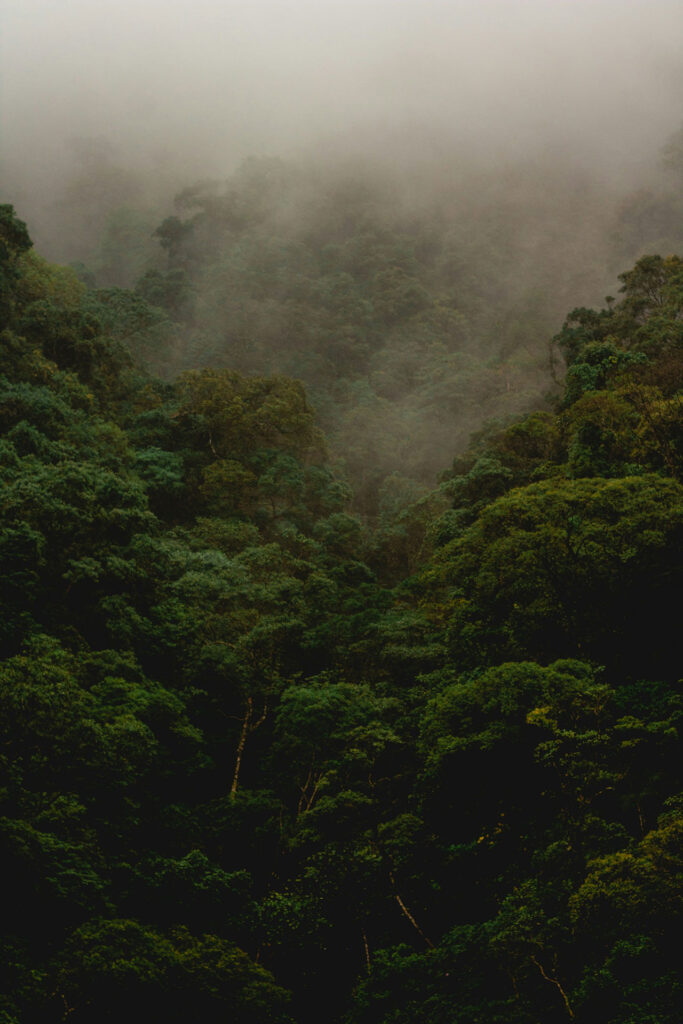
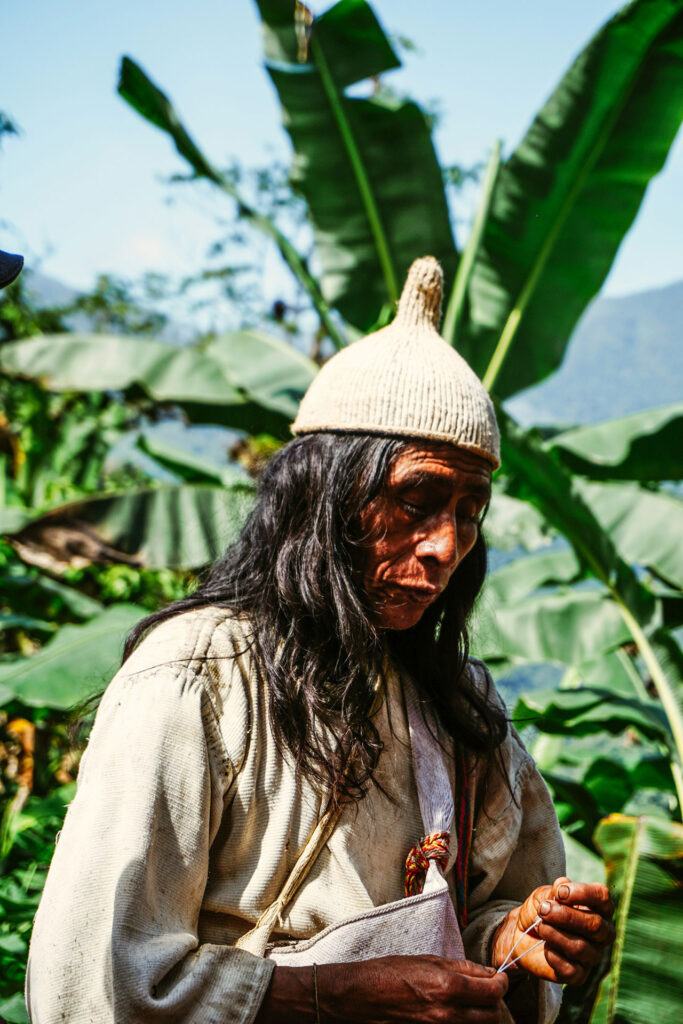
The consequences are dramatic and multifaceted. With every hectare cleared, countless animal and plant species lose their habitat, often irretrievably. For millions of indigenous people, the destruction of the forest means the loss of their livelihoods and cultural identity. At the same time, the regional climate is changing: rainfall is decreasing, soils are drying out and entire regions are becoming more susceptible to droughts and fires. Globally, deforestation has a massive impact on climate change, as rainforests store enormous amounts of carbon. When they are destroyed, this CO₂ is released into the atmosphere – the forest goes from being a climate protector to a climate driver.
 © unsplash / Bruno Thethe
 © unsplash / Berend Leupen
What is being done?
However, the international community is not remaining completely inactive. International agreements such as the promise by over 100 countries to stop deforestation by 2030 mark a political turning point. Individual countries are going further: Suriname, for example, plans to permanently protect around 90 percent of its forests. Stricter controls are also having an effect in Brazil, where the rate of deforestation has recently fallen significantly. Nevertheless, there remains a large gap between political commitments and actual forest protection. Without consistent implementation and economic alternatives for the regions affected, success remains fragile.
Bottom line
The state of the rainforests is critical, but not hopeless. The tools for a turnaround exist: sustainable agriculture, deforestation-free supply chains, protection of indigenous rights and real financial incentives for forest conservation. The decisive factor is whether we are prepared to trade short-term convenience for long-term responsibility. The rainforest can recover — if we finally give it the chance to do so.
Ressources
- Fires Drove Record-breaking Tropical Forest Loss in 2024: World Resources Institute
- Why deforestation matters — and what we can do to stop it: National Geographic
- Destruction of tropical rainforest increased by 10 per cent: National Committee of The Netherlands
- Suriname pledges to shield 90% of forests, far beyond global conservation goal: Associated Press