
Imagine a place where we wanted to connect, laugh, learn and debate, turning into an arena of shouting, fear and polarization. That‘s exactly what we are experiencing today: social networks are no longer just digital meeting places, but powerful drivers of conflict, hatred and even real violence. But what‘s really behind this — and how can we escape this spiral?
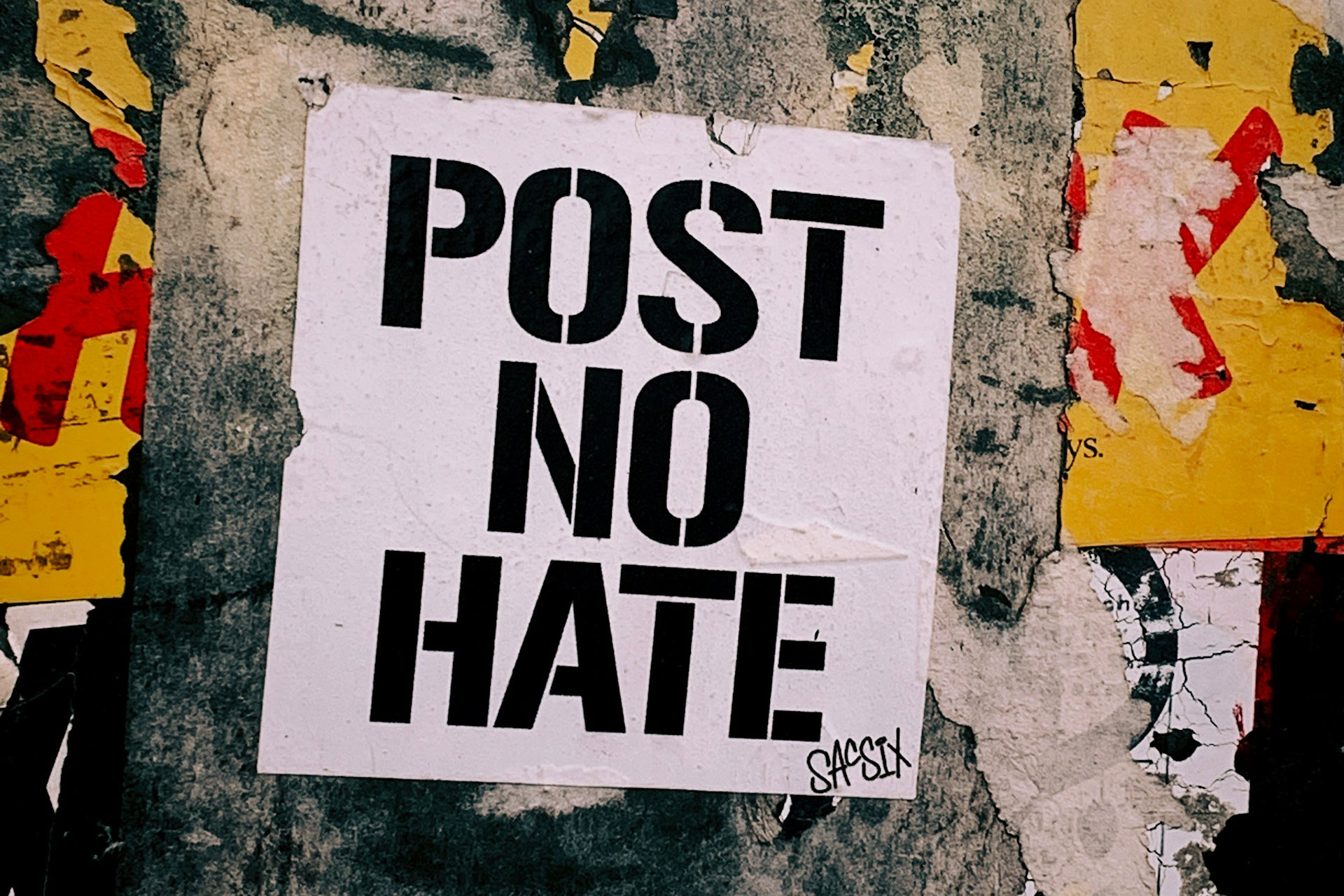 © unsplash / Jon Tyson
How social media fuels hatred and violence
Initially, social networks were seen as places for exchange and understanding. But it quickly became apparent that they also encourage toxic dynamics: comments turn into insults, debates become echo chambers dominated by polarizing content. Researchers describe how a “brutalization” of online communities ensures that polite discussions soon turn into constant trolling, bullying and verbal abuse – not only in niche forums, but also on platforms such as Facebook, Instagram and X.
Algorithms exacerbate this problem: they show users primarily content that captures their attention – often emotionally charged, provocative or polarizing posts. In the race for clicks and dwell time, what is rewarded is precisely what generates outrage and captures attention, not necessarily what serves the truth or respectful discourse.
From hashtag to real violence
The effects of these digital dynamics are not only virtual. A recently published Global Witness survey shows that over 90% of environmental and land rights defenders worldwide experience online hate and harassment, and around 75% of them believe that these experiences on the internet are directly related to threats or violence in real life. Platforms such as Facebook, WhatsApp and Instagram are particularly notorious in this regard.
Digital aggression also has real-world consequences in political contexts: research shows that digital threats and hateful comments not only intimidate politicians and activists, but also change their behavior and even push them out of public discourse — which threatens democratic processes in the long term.
Is the web deliberately manipulating us?
The question of whether users are being “deliberately manipulated” cannot be answered with a simple yes or no – it‘s more of a structural problem. Platforms use algorithms that are optimized for engagement, which means that content that triggers strong emotions is distributed more widely. This can also include radical or polarizing content that drives people into extreme opinion bubbles and turns them against others.
In addition, so-called computational propaganda methods make it possible to use bots or automated accounts to deliberately reinforce or distort opinions. These technologies can manipulate political attitudes and influence public opinion – with far-reaching consequences for societies and elections.
 © pixabay / markusspiske
 © unsplash / Dan Edge
Why are platform operators rarely held accountable?
Platform operators such as Meta (Facebook, Instagram) or X often argue that freedom of expression and technical challenges in content moderation are to blame. At the same time, they use business models based on attention and advertising – which systemically leads to controversial content being more likely to be disseminated. Many countries have laws against hate speech and violent content, but enforcement is difficult and often inadequate.
Some jurisdictions are trying nonetheless: In Germany, the Network Enforcement Act requires platforms to quickly remove clearly illegal content or risk heavy penalties. The EU also has the Digital Services Act, which requires operators to combat systemic risks such as hate speech and disinformation. In the US, on the other hand, there has traditionally been a stronger focus on freedom of expression, which makes stricter platform regulation difficult and often gives technology companies more leeway.
Should social networks be banned for young people?
A complete ban for younger users is being discussed in some countries, especially in view of the high exposure to negative or aggressive content. Studies show that more than 87% of young people between the ages of 17 and 19 have already been confronted with hate, misinformation or extreme comments online.
However, a ban alone would be a serious encroachment on digital participation and would not guarantee safety. Rather, what is needed is age-appropriate education, digital media literacy and safe, moderated spaces – so that young people learn to navigate
Bottom line
Yes, the problem is complex – but not unsolvable. Societies need a mix of smart legal regulations, effective platform responsibility, better digital education and technical tools that effectively curb hate and violence without suppressing legitimate expression. Together, we can promote a digital culture in which respect and diversity once again have more space than outrage and polarization.
Ressources
- Facebook ranks worst for online harassment, according to a global activist survey: The Verge
- https://www.theverge.com/news/713976/online-harassment-meta-social-media-environmental-activists: Washington Post
- Social media platforms fail to remove illegal hate speech: IT University of Copenhagen
- From online hate speech to offline hate crime: the role of inflammatory language in forecasting violence against migrant and LGBT communities: Nature