
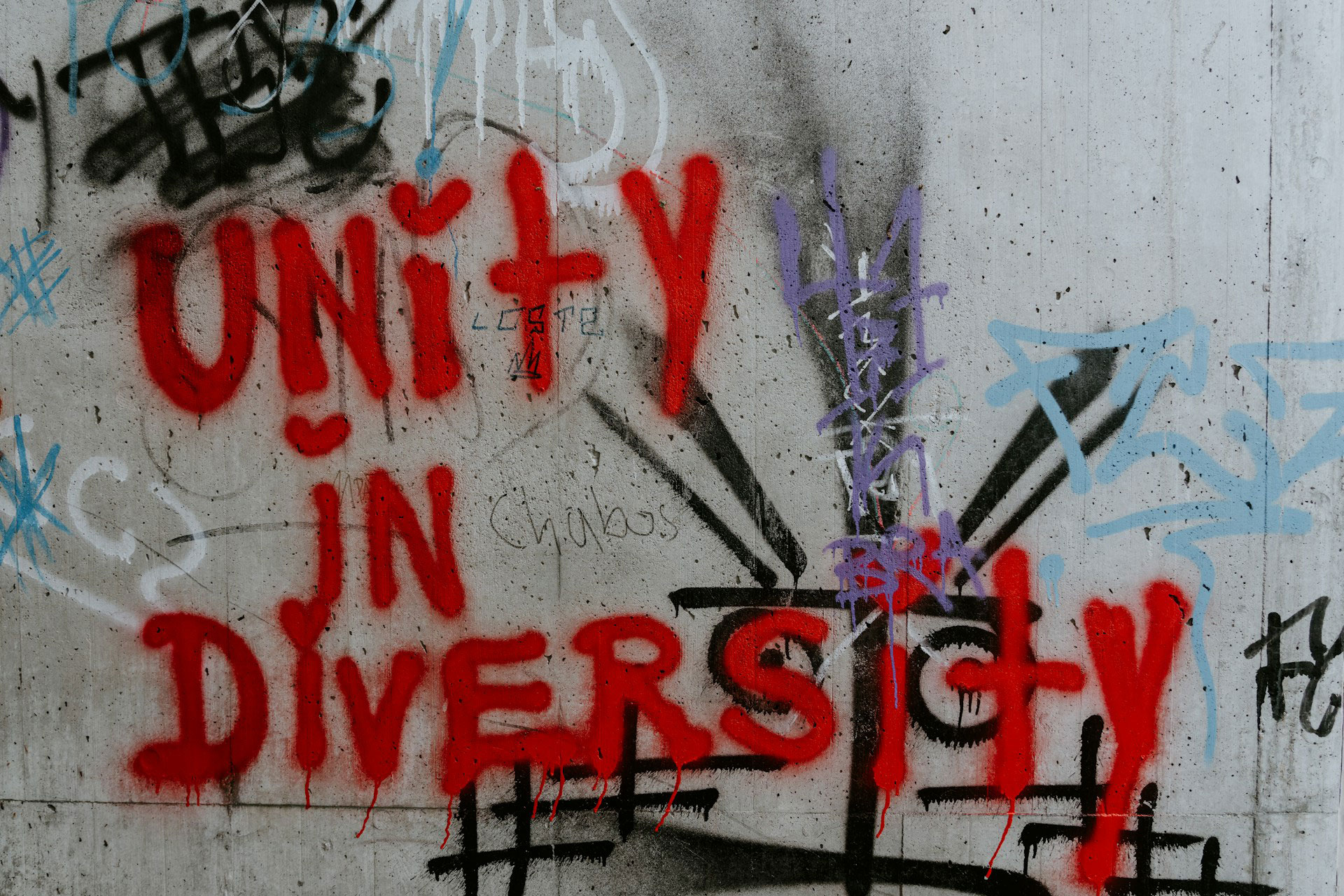
The world increasingly feels like a debate with no pause button: loud, polarized and uncompromising. Whether in the U.S., during the COVID-19 pandemic or in European debates — the tone is growing harsher, the camps are becoming more clearly defined, and the middle ground is growing quieter. But is our society truly more divided than ever? And if so: Why is this happening — and what can we do about it?
 © unsplash / Claudio Schwarz
More than just “left versus right”
The growing divide has many drivers. One of the most important: information bubbles. Studies show that people are increasingly consuming different media — and interpreting the same facts differently. This creates parallel realities.
Added to this is the dynamics of social media: they amplify so-called “echo chambers,” where opinions radicalize one another. Research indicates that such structures can intensify polarization and weaken social cohesion.
Another factor is economic uncertainty. Where people feel left behind, mistrust of institutions grows — a breeding ground for polarization.
COVID-19 as a magnifying glass for division
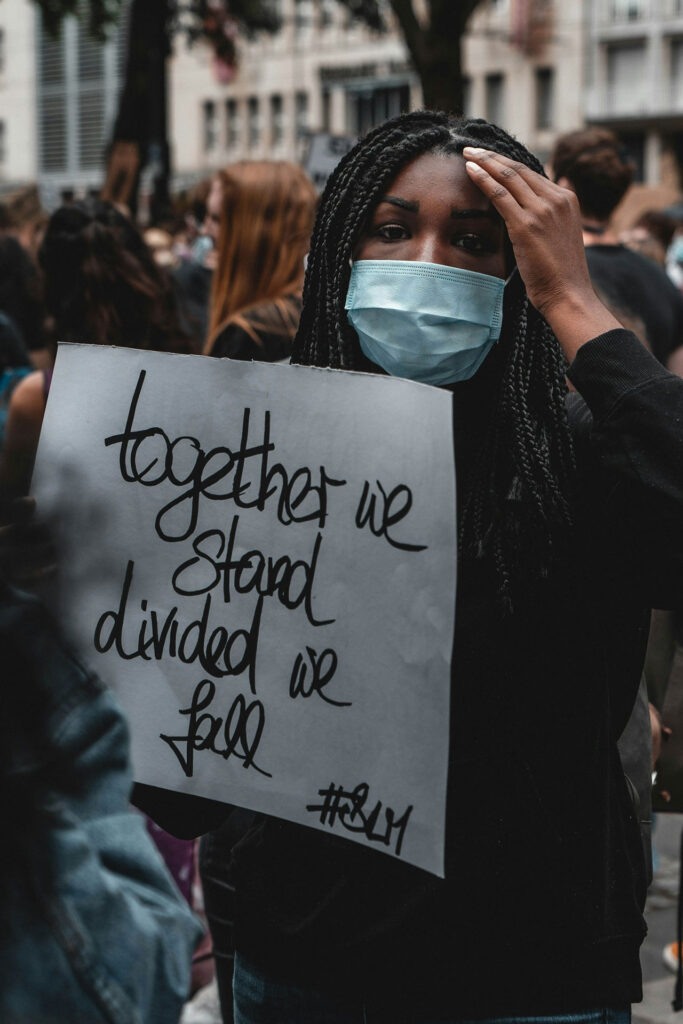
The pandemic has brought these developments into sharp focus. In the U.S., for example, political camps differed sharply in their behavior: mask-wearing, risk assessment and trust in science were shaped by party politics.
Even experts were not immune: political convictions sometimes even influenced the evaluation of medical information. At the same time, research shows that polarization hinders collective action — for example, in dealing with health crises.
Interestingly, for a brief time, the pandemic also brought people together — a “we’re all in this together” feeling emerged. But it did not last long.
 © unsplash / Leandro Valentino
 © unsplash / Derick McKinney
Is the political center disappearing?
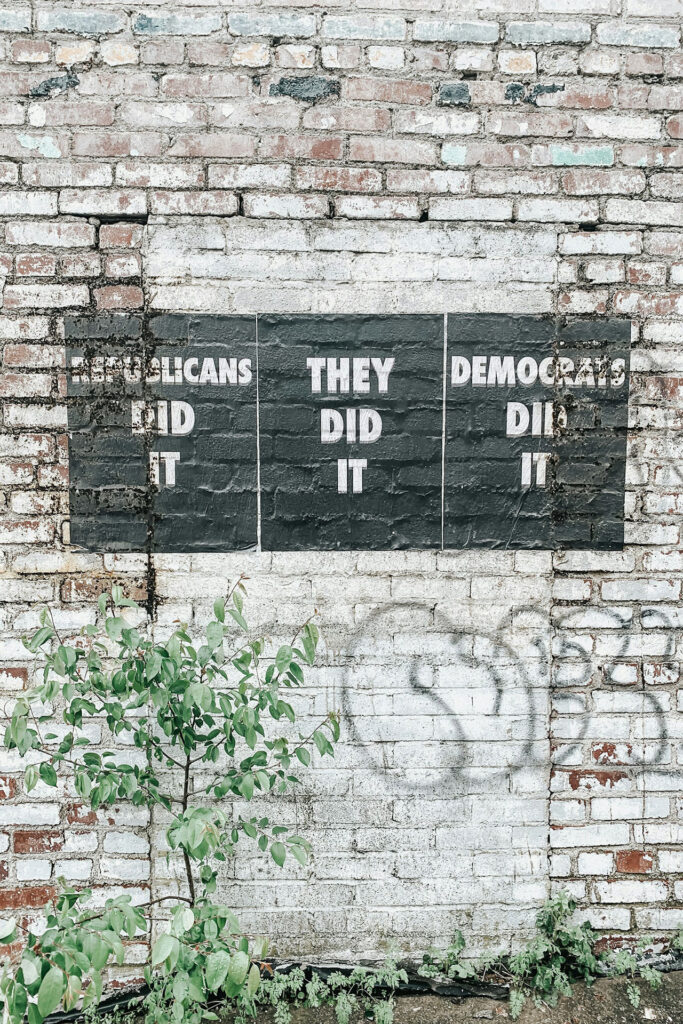
The concern is real: Many debates feel like a zero-sum game between extremes. In fact, studies show that not only are political positions drifting apart, but mutual animosity is also growing. This “affective polarization” undermines trust — even in everyday life.
The center isn’t so much disappearing completely as it is often drowned out. Moderate positions are simply less visible and less “viral.”
How division manifests itself in practice
Division isn’t just a political phenomenon. It shows up in everyday life:
- in families that avoid political topics
- in circles of friends that sort themselves along ideological lines
- in declining trust in the media, science, and politics
And it has real consequences: Studies show that polarization can even impair health and society’s ability to manage crises.
What we can do about it
The good news: Division is not a law of nature.
- In everyday life: More conversation instead of division. Those who actively seek out different perspectives break through filter bubbles.
- In the media: Make algorithms more transparent and promote diversity, rather than rewarding outrage.
- In politics: Less symbolic politics, more problem-solving. Trust arises where government institutions function — especially at the local level.
Bottom line
Perhaps the solution lies not in eliminating differences — but in learning to tolerate them again. A vibrant democracy needs debate. But it also needs a common foundation: facts, respect and a willingness to listen.
The division in our society is real. But it is not inevitable. It’s the result of developments — and therefore also changeable. The question is not whether we can come together again. But whether we want to.
Ressources
- The political polarization of COVID-19 treatments among physicians and laypeople in the United States: HARVARD Kennedy School
- Social Media Polarization and Echo Chambers in the Context of COVID-19: Cornell University
- Political polarization in Pittsburgh communities is rooted in economic neglect: The Conversation
- Unmasking partisanship: Polarization undermines public response to collective risk: ScienceDirect
- Polarization and health-related behaviors and outcomes during the COVID-19 pandemic: a systematic review: National Library of Medicine
- Political polarization did not increase with COVID-19, Stanford research finds: Stanford University
- Political polarization and health: Nature Medicine